
Factors Behind the Fall of Minoan Civilization

Into the Heart of Minoan Culture
Picture a bustling palace in Knossos, where artisans craft intricate pottery and frescoes adorn the walls, depicting vibrant ceremonies and rich landscapes. This was the Minoan civilization, named after the legendary King Minos, flourishing on the island of Crete around 2000 BCE. The Minoans were pioneers in trade, maritime prowess, and cultural expression, creating a network that extended across the Aegean and beyond. Yet, beneath this veneer of prosperity lay vulnerabilities, a fragile balance disrupted by a series of calamities.
The Impact of Natural Disasters
In the 17th century BCE, the Minoans faced catastrophic natural disasters, most notably the eruption of the Thera volcano. This event created massive tsunamis, devastating the coastal areas of Crete and disrupting trade routes. The eruption's aftermath led to a decline in agricultural productivity, forcing communities to grapple with food shortages and economic instability. As the Minoan economy faltered, social structures began to fray, revealing the civilization's dependency on trade and external resources.
Economic Shifts and Foreign Pressures
As the Minoans struggled with the consequences of these natural disasters, they also encountered increasing pressure from neighboring civilizations. The rise of Mycenaean Greece introduced a more aggressive and militaristic society that encroached upon Minoan territories. The Mycenaeans, known for their fortifications and warrior culture, began to assert control over trade routes and resources, further exacerbating the Minoan decline. Internal strife, combined with external aggression, created an environment ripe for upheaval.
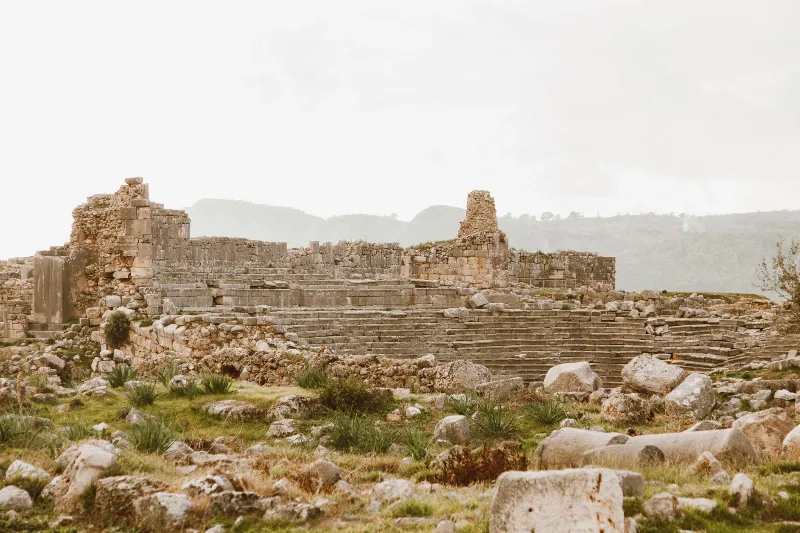
By the time the Minoan civilization began to fragment, the once-vibrant palatial centers were abandoned, and the rich cultural heritage that characterized the early centuries faded into obscurity. The Minoans left behind ruins and artifacts that speak to both their achievements and their vulnerabilities, a testament to a civilization that thrived yet ultimately succumbed to the forces of nature and man.
A Legacy of Complexity
As the dust settled on the ruins of Knossos and other Minoan sites, the echoes of their civilization lingered. The complex interplay of natural disasters, economic challenges, and foreign invasions serves as a reminder of the fragility of even the most advanced societies. The Minoan decline is not merely a tale of collapse; it is a narrative rich with human experience, resilience, and the relentless march of history.
Hungry for more?
Explore thousands of insights across all categories.
