
Rise of the Minoan Civilization: Trade, Innovation, and Power
Trade Networks and Maritime Prowess
On the shores of Crete, merchants bustle about, exchanging goods from distant lands. The Minoans, with their advanced maritime capabilities, opened pathways across the Aegean and beyond. They established trade networks that connected them with Egypt and the Near East, importing luxury items like gold and ivory while exporting pottery and textiles. This commerce bolstered their economy and facilitated cultural exchanges, laying the groundwork for a sophisticated society.
Architectural Innovations
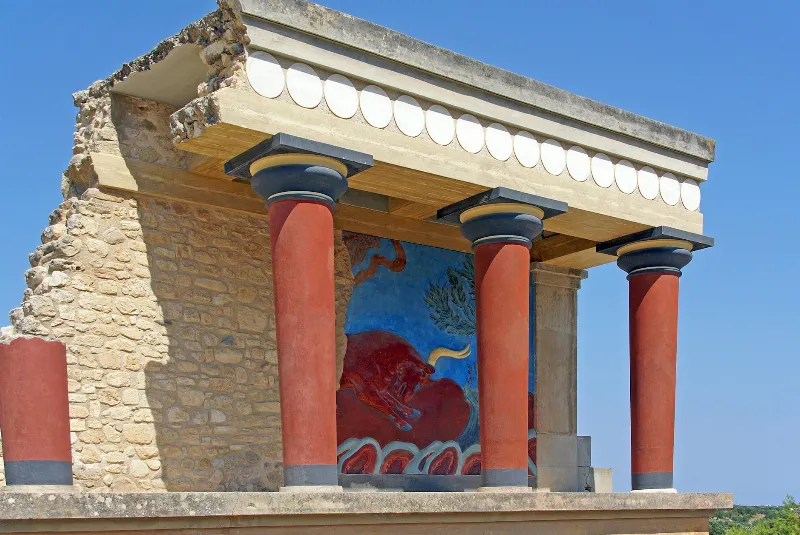
Venturing through the grand halls of Knossos, one can feel the echoes of a vibrant civilization. The Minoans were pioneers in architecture, constructing elaborate palaces that served as administrative and religious centers. Their use of advanced building techniques, such as multi-story structures and plumbing systems, showcased not only their engineering skills but also their social organization. These innovations allowed for greater community interaction and cultural development, furthering their influence in the region.
Social Structure and Cultural Flourishing
In the heart of Minoan society, a complex social structure emerged. The ruling elite, possibly a class of priest-kings, wielded power, overseeing trade and religious rituals. Meanwhile, artisans and farmers contributed to a thriving economy, fostering a sense of community and shared identity. Cultural practices, including fresco painting and pottery, reflected their values and beliefs, showcasing the Minoans' artistic achievements and their connection to the natural world. This cultural flourishing was vital in establishing their prominence and legacy in ancient history.
As the Minoan civilization reached its zenith, the interplay of trade, innovation, and societal development created a dynamic culture that would influence future generations. Their contributions remain a testament to the power of human creativity and collaboration.
Hungry for more?
Explore thousands of insights across all categories.