
Cultural Exchange Along Spice Trade Routes Shaped Global Interactions
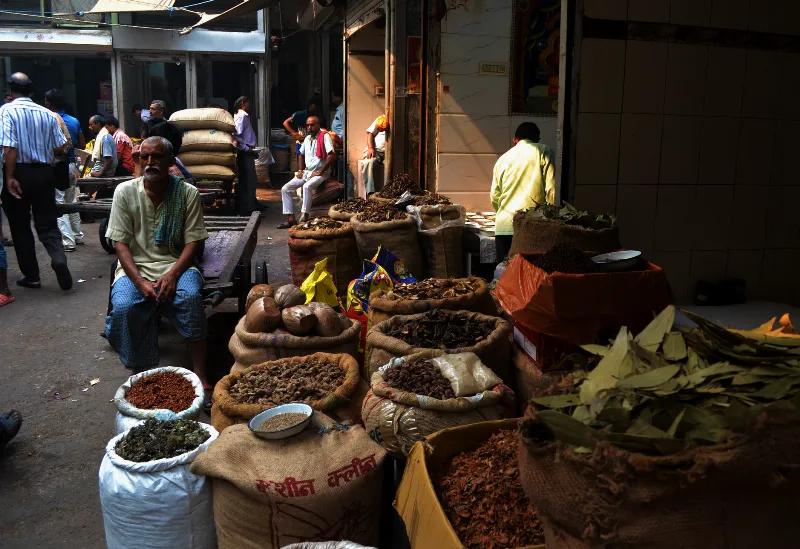

In a bustling market in the city of Malacca, traders from all corners of the world gather, their stalls bursting with vibrant spices. The air is thick with the scents of pepper, nutmeg, and cloves, each one a coveted treasure. This melting pot of cultures reflects a moment in history when the spice trade routes were not just pathways for goods but vital arteries of cultural exchange.
Trade Networks and Cultural Interactions
As merchants navigated the intricate web of the spice trade, they transported more than just spices. They carried stories, customs, and beliefs, intertwining diverse cultures. The spice routes, connecting the East and West, facilitated the flow of ideas and knowledge. For instance, the introduction of new agricultural practices from Southeast Asia transformed European farming, while European exploration sparked curiosity about the lands from which these spices originated.
Religious and Intellectual Exchanges
The spice trade routes also became conduits for religious and intellectual exchanges. Muslim traders introduced Islam to various regions, while Christian missionaries traveled along these routes, sharing their faith. Philosophical ideas from the East found their way into European thought, leading to a rich tapestry of cultural dialogue. The blending of traditions reshaped societal norms, influencing art, cuisine, and even governance.
Encounters along the spice routes often sparked curiosity and wonder. For example, the arrival of exotic spices in Europe led to a culinary revolution, as chefs experimented with new flavors, leading to a distinct culinary identity in various regions. This blending of cultures fostered a sense of global interconnectedness, as people began to appreciate and adopt elements from foreign traditions.
Economic Impact and Shifts
Economically, the spice trade significantly impacted local and regional economies. Cities along the trade routes flourished, becoming hubs of commerce and cultural exchange. Wealth generated from the spice trade allowed for advancements in infrastructure and education, further facilitating cultural interactions. This economic engine not only enriched individual merchants but also fostered a sense of community among diverse groups.
As the spice trade evolved, so did the dynamics of power and influence among nations. The competition for control over these lucrative trade routes led to exploration and colonization, shaping the geopolitical landscape. The cultural exchanges born from these interactions left lasting legacies that resonate to this day.
In the quiet aftermath of these exchanges, the world found itself irrevocably changed. The spice trade routes, once mere pathways for commerce, became threads that wove together the rich tapestry of human experience, reminding us of our shared journey through history.
Hungry for more?
Explore thousands of insights across all categories.
