
Cultural Exchange Along Trans-Saharan Trade Routes Transformed Societies

Trade and Cultural Interaction
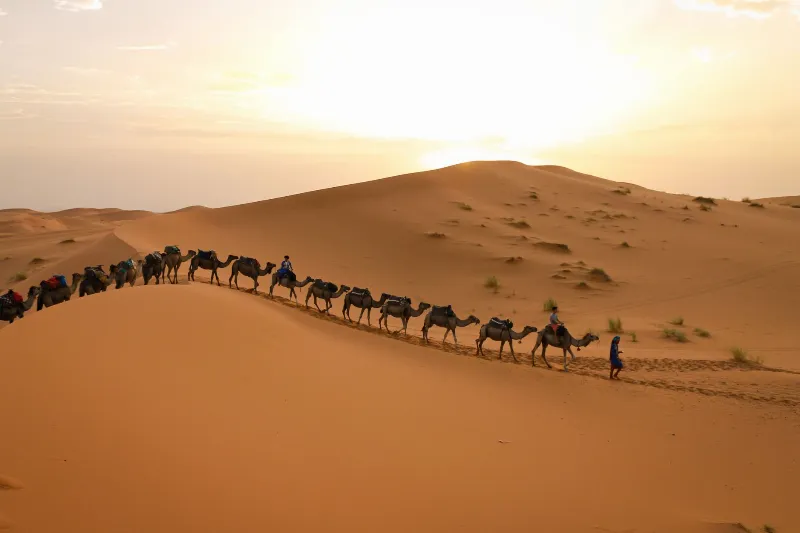
Sand dunes stretched endlessly under the blazing sun, as caravans laden with goods trekked across the Sahara. This harsh landscape was the backdrop for a vibrant network of trade routes that emerged over centuries, connecting North Africa to sub-Saharan Africa. Merchants transported not only gold, salt, and textiles but also ideas, languages, and religious beliefs, weaving a rich tapestry of cultural exchange that would shape societies.
The bustling markets of Timbuktu and Gao served as melting pots of culture, where scholars and traders mingled, exchanging knowledge and traditions. The introduction of Islam along these routes brought profound changes, influencing local customs and governance. This fusion of cultures fostered advancements in architecture, science, and literature, as Arabic texts were translated and integrated into African scholarship.
Impact on Societies
As trade flourished, the social structures of communities along the routes began to evolve. Wealth generated from trade led to the rise of powerful city-states, which became centers of learning and culture. In places like Mali, leaders such as Mansa Musa not only amassed riches but also promoted education and the arts, creating a legacy that resonated far beyond their lifetimes.
The cultural exchanges were not merely economic; they transformed identities. Indigenous practices merged with introduced elements, leading to new forms of art, music, and religious expression. The blending of African traditions with Islamic practices gave rise to unique cultural identities that enriched the continent's diversity.
Legacy of the Trade Routes
Over time, the Trans-Saharan trade routes became more than just pathways for commerce; they were conduits for cultural dialogue, shaping the historical narrative of a continent. The interactions fostered by these routes laid the groundwork for modern African societies, contributing to a shared history that celebrates diversity and resilience.
Even as colonial powers later disrupted these networks, the impacts of centuries of trade and exchange continue to resonate today. The legacy of the Trans-Saharan trade routes reminds us of the profound connections that can arise from the movement of people and ideas across vast distances.
Hungry for more?
Explore thousands of insights across all categories.
