
Unveiling Angkor: What Sparked the Discoveries of a Lost Civilization
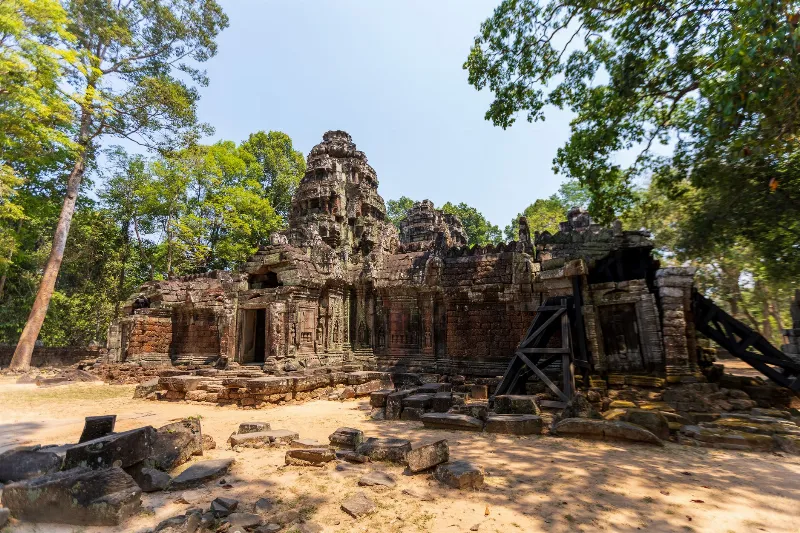

Into the Jungle
Wandering through the dense foliage of Cambodia, a French botanist named Henri Mouhot stumbled upon the ruins of Angkor in the mid-19th century. As he navigated through the overgrown paths, the grandeur of the temples left him breathless. Towering stone structures, intricate carvings, and vast reservoirs spoke of a once-thriving civilization, now reclaimed by nature. Mouhot's writings ignited a spark of interest in Angkor, leading many to wonder about the people who built this astonishing city.
Curiosity Fuels Exploration
The allure of Angkor was not just in its architecture but in the mystery surrounding its origins and decline. As stories of the lost city circulated in Europe, they caught the attention of archaeologists and adventurers alike. With the advent of photography and exploration technologies, expeditions became more feasible, allowing researchers to document the site extensively. These efforts were not just about rediscovery; they aimed to understand the cultural and historical significance of what lay hidden.
A Shift in Perspective
Initially perceived merely as an exotic curiosity, Angkor soon became a focal point for discussions on the Khmer Empire’s influence and the complexities of its society. The discovery reshaped perceptions of Southeast Asian history, challenging eurocentric narratives that often overlooked the region’s rich past. As archaeological methods advanced, the findings at Angkor provided insights into urban planning, religion, and the socio-political dynamics of ancient civilizations.
In the wake of these discoveries, conservation efforts began to take shape. The realization that Angkor was not just a relic of the past but a living testament to human ingenuity shifted the focus toward preservation. The legacy of Angkor continues to inspire both scholars and tourists, reminding us of the intricate tapestry of human history.
Hungry for more?
Explore thousands of insights across all categories.
