
Rediscovery of Roman Trade Routes Unveils Ancient Connections
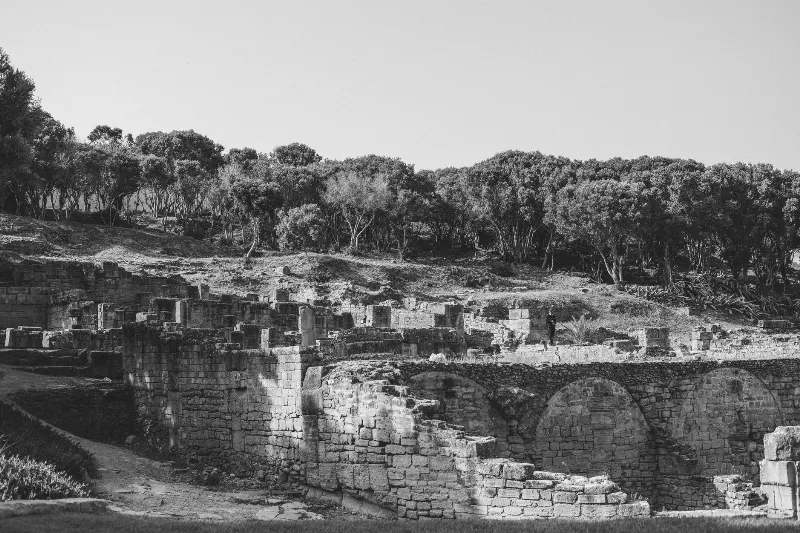

Unraveling the Past
Amidst the dusty scrolls of ancient texts and the remnants of crumbling stones, archaeologists unearthed clues to the vast network of trade routes that once shaped the Roman Empire. A chance discovery in the Mediterranean brought to light remnants of goods traded over centuries, linking distant lands from the shores of Britain to the sands of North Africa. These routes were more than mere pathways; they were arteries of commerce and culture, pulsing with the lifeblood of civilizations.
Significance of Trade
The impact of these trade routes extended beyond the exchange of goods. They facilitated the movement of ideas, art, and technology, fostering a rich tapestry of cultural intermingling. As merchants traversed these paths, they carried not only silks and spices but also the philosophies and innovations of their homelands. This dynamic exchange laid the groundwork for economic systems and cultural practices that would influence generations.
In particular, the Italian city-states during the Renaissance would later draw on the wealth of knowledge and culture that had flowed through these ancient routes. The revival of interest in classical antiquity was, in part, fueled by the artifacts and texts that had traveled these pathways, sparking a renaissance of learning and art.
Modern Archaeological Efforts
Today, modern archaeologists employ advanced technologies like ground-penetrating radar and satellite imagery to trace these ancient paths. Their efforts have revealed forgotten cities and trading posts, allowing historians to reconstruct the economic landscapes of the past. As more sites are uncovered, the narrative of the Roman Empire continues to evolve, showing a complex web of interactions that challenged previous notions of isolation.
Amidst these discoveries, the realization dawns that these trade routes were not static; they adapted and changed in response to political landscapes and cultural shifts. The rediscovery of these connections reminds us that history is not a straight line but a labyrinth of human experiences shaped by trade, conflict, and cooperation.
Hungry for more?
Explore thousands of insights across all categories.
