
Indus Valley Civilization's Mysterious Disappearance Explained
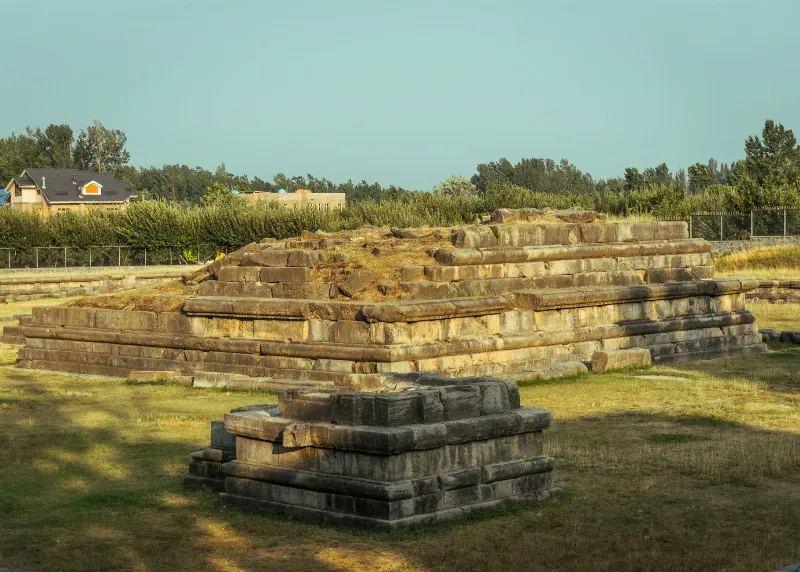

In the bustling streets of Mohenjo-Daro, merchants haggle over spices, while children play near the Great Bath, a marvel of ancient engineering. This vibrant scene, however, stands in stark contrast to the mystery that surrounds the eventual decline of the Indus Valley Civilization. Flourishing around 2500 BCE, this civilization was marked by its impressive urban planning, advanced drainage systems, and a sophisticated social structure. Yet, by 1900 BCE, signs of a troubling fate began to surface, leading to its enigmatic disappearance.
Environmental Changes and Their Impact
As the Indus Valley Civilization thrived, it relied heavily on the monsoon rains that fed the rivers essential for agriculture and trade. However, a significant shift in climate patterns began to emerge. Evidence suggests that the region experienced aridification, leading to reduced rainfall and lower river levels. The once fertile floodplains became less hospitable for farming, which was the backbone of the civilization's economy. This environmental stress might have prompted migration to more fertile areas, leading to a gradual decline in urban centers.
Shifts in River Systems
The Indus River, vital for agriculture and transportation, underwent significant changes during this period. Geological studies indicate that the river's course shifted, potentially isolating communities from essential water resources. As a result, trade routes that linked cities became disrupted, diminishing economic stability. Without reliable access to water and trade, cities like Harappa and Mohenjo-Daro faced increased difficulty in sustaining their populations, further accelerating their decline.
Cultural and Social Factors
Amidst environmental challenges, internal social dynamics may have contributed to the civilization's unraveling. Archaeological findings suggest a decline in the uniformity of material culture, indicating possible fragmentation within the society. As resources became scarce, competition for land and water could have intensified, leading to social unrest. The intricate web of trade and cultural exchange that once defined the Indus Valley may have frayed, leading to isolation and eventual collapse.
In the ashes of what was once a vibrant civilization, the Indus Valley leaves behind a complex legacy of innovation and adaptability. Its disappearance remains a puzzle, inviting continued exploration and debate among scholars. Each discovery adds another piece to the intricate mosaic of human history, reminding us of the fragility of even the most advanced societies.
Hungry for more?
Explore thousands of insights across all categories.
