
Bats Navigate with Precision Using Echolocation Techniques
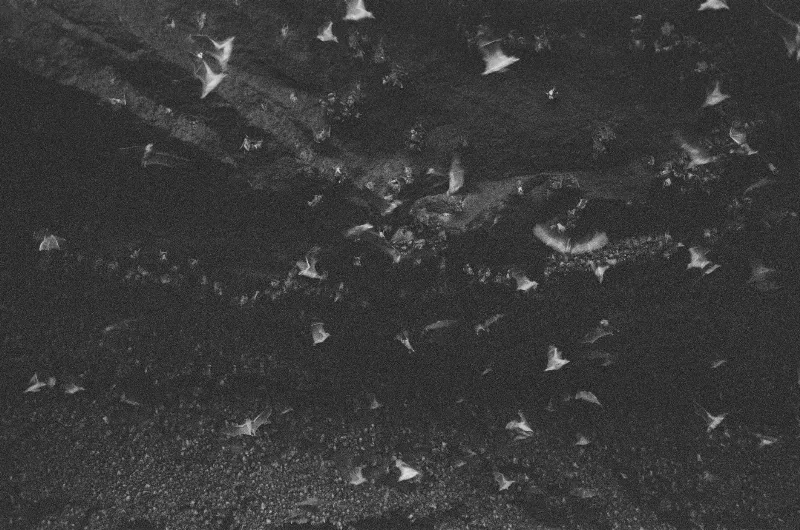

Bats are fascinating creatures that have adapted to thrive in darkness through their unique echolocation abilities. This remarkable skill allows them to emit sound waves and interpret the returning echoes, helping them to identify the size, shape, distance, and even texture of objects in their environment.
Mechanics of Echolocation
Echolocation involves a series of precise steps. Bats produce high-frequency sounds, often beyond the range of human hearing. As these sounds travel through the air, they bounce off objects and return to the bat's ears. The bat's brain processes these echoes to create a mental map of its surroundings. This adaptation is particularly vital for hunting insects and navigating through complex environments, such as dense forests.
Benefits of Echolocation
The ability to echolocate provides several advantages:
- Enhanced Navigation: Bats can navigate in total darkness, making them efficient hunters.
- Prey Detection: They can locate and capture fast-moving insects, which is crucial for their survival.
- Obstacle Avoidance: Echolocation allows bats to maneuver around obstacles with ease, reducing the risk of collisions.
This sophisticated system has evolved over millions of years, showcasing the incredible adaptability of bats to their nocturnal lifestyle. Their echolocation not only enhances their hunting efficiency but also contributes to the balance of ecosystems by controlling insect populations.
Understanding the mechanics of bat echolocation sheds light on an evolutionary marvel that continues to inspire scientific research and technological advancements in fields such as sonar and navigation systems.
Hungry for more?
Explore thousands of insights across all categories.
