
Electric Eels Use Unique Signals For Communication And Navigation
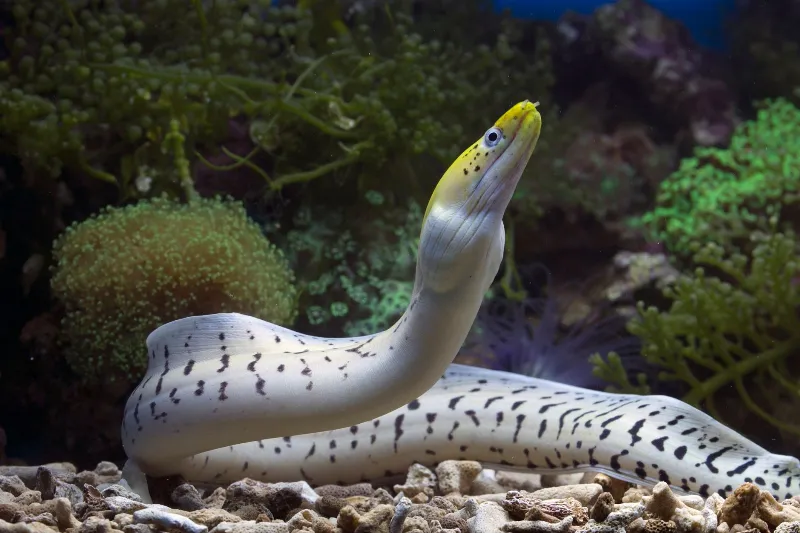

Understanding Electric Signals
Electric eels have specialized organs that allow them to produce electrical signals, which they use for various purposes. These organs, primarily the electric organ located in their bodies, can generate different types of electrical discharges. Some of these signals are low-voltage and are used for navigation and communication, while high-voltage discharges serve as a defense mechanism against predators. This remarkable adaptation not only aids in survival but also enhances their social interactions.
Communication Through Electricity
Interestingly, electric eels utilize their electrical signals to communicate with each other. When they are in close proximity, they can emit low-frequency pulses that convey information about their presence, reproductive status, or even their emotional state. This form of communication is particularly vital during mating rituals, where they engage in a fascinating display of electrical signaling to attract potential mates.
Furthermore, their ability to detect electrical fields allows them to sense nearby objects and other creatures, assisting in navigation through murky waters. This sensory capability is crucial in their natural habitat, where visibility is often low due to sediment and organic material. By interpreting the electrical signals in their environment, electric eels can locate prey and avoid obstacles effectively.
Environmental Adaptations
The unique electrical signaling of electric eels highlights their remarkable adaptations to life in freshwater ecosystems. These adaptations not only demonstrate their evolutionary success but also reveal the intricate relationships within their habitats. As they navigate and communicate, electric eels contribute to the dynamics of their ecosystem, influencing both predator and prey behaviors.
Understanding the role of electrical communication in electric eels provides valuable insights into the complexities of animal behavior and adaptation. As researchers continue to study these fascinating creatures, they uncover more about the sophisticated systems that govern life beneath the surface of freshwater environments.
Hungry for more?
Explore thousands of insights across all categories.
