
Chameleons Change Color For Communication: Understanding Their Signals

Color Change as a Communication Tool
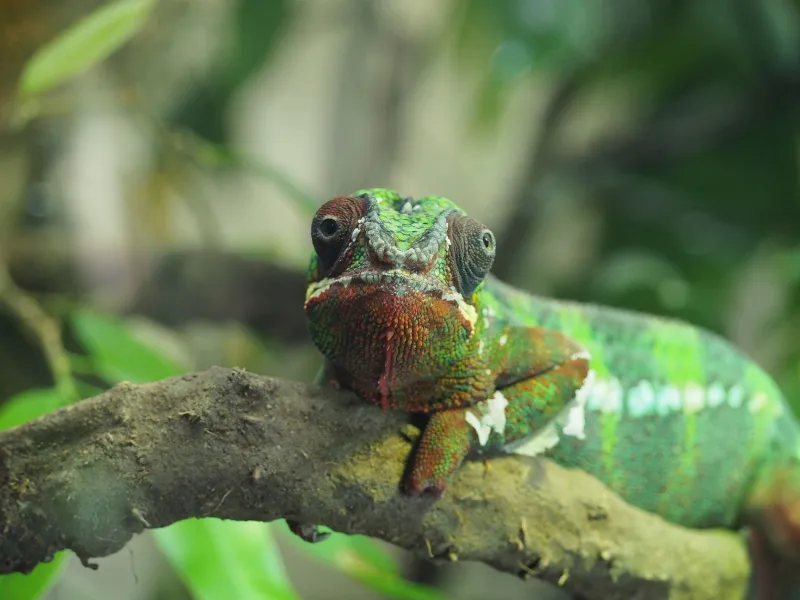
Chameleons possess a unique ability to change their skin color, a skill that is often misunderstood as merely a form of camouflage. While blending into their surroundings is certainly a function of this ability, it also serves a more complex social purpose. Color change in chameleons is primarily a means of communication, conveying a variety of messages to other chameleons.
When a chameleon changes color, it can indicate different emotional states such as aggression, fear, or readiness to mate. For instance, a chameleon displaying vibrant colors may be signaling dominance or readiness to attract a mate, while darker hues may suggest stress or submission. This color communication is vital in their interactions, especially during mating season or territorial disputes.
Mechanisms Behind Color Change
The fascinating mechanics of how chameleons change color involve specialized cells in their skin called chromatophores. These cells contain different pigments and can expand or contract, altering the color seen on the surface. Beneath the chromatophores lie layers of iridophores, which reflect light and contribute to the iridescent quality of some colors.
- Chromatophores contain pigments that can change size.
- Iridophores reflect light, adding depth to color changes.
- Neurotransmitters control the rapid changes in color.
This complex interplay allows for quick and dynamic color changes that can convey immediate information to other chameleons, making their communication highly effective.
Implications of Color Communication
Understanding chameleons’ color communication can offer deeper insights into their behavior and ecology. Research shows that these color changes can affect their social dynamics, influencing mating success and territorial disputes. By analyzing these interactions, scientists can better understand the evolutionary advantages of this remarkable adaptation.
In summary, chameleons utilize their color-changing abilities as a sophisticated form of communication, which plays a crucial role in their social interactions and survival. This fascinating aspect of their behavior highlights the complexity of animal communication and the intricate ways in which species adapt to their environments.
Hungry for more?
Explore thousands of insights across all categories.
