
Chameleons Change Color For Survival: How And Why

Mechanisms of Color Change
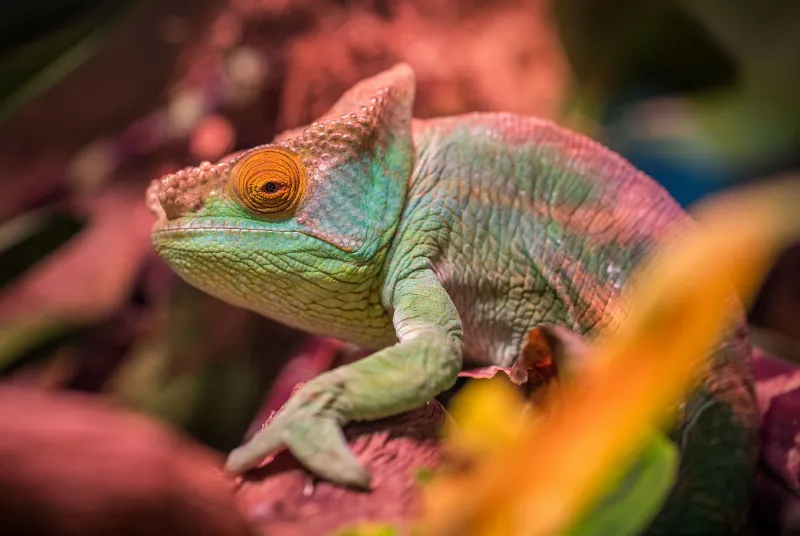
Chameleons possess specialized cells called chromatophores, which contain different pigments. Underneath these are iridophores and leucophores that reflect light in various ways. This layered setup allows chameleons to shift their skin color rapidly by expanding or contracting these cells. The process is not merely aesthetic; it's a sophisticated response to environmental stimuli, including temperature and emotional states.
Communication and Social Interaction
Color change in chameleons plays a vital role in their social behavior. They communicate with others through color displays, signaling intentions ranging from aggression to mating readiness. For instance, a bright hue can indicate a dominant stance during territorial disputes, while softer tones may express submission or a desire to mate. This visual language is essential for their survival in a competitive ecosystem.
Temperature Regulation and Camouflage
Beyond communication, chameleons use color to regulate their body temperature. Darker colors absorb more heat, helping them warm up in cooler environments, while lighter shades reflect sunlight to cool down. Additionally, blending into their surroundings through color adaptation serves as a crucial defense mechanism against predators. This ability to camouflage not only hides them from threats but also enhances their hunting efficiency by allowing them to ambush prey.
Implications for Evolutionary Adaptation
The ability to change color illustrates a remarkable evolutionary adaptation, showcasing the intricate relationships between species and their environments. As chameleons navigate their habitats, their color-changing skills enhance their survival prospects, influencing their evolutionary trajectory. Their adaptability emphasizes the complexity of life and the endless strategies organisms develop to thrive.
Ultimately, the chameleon's color-changing ability is a fascinating example of nature's ingenuity. It reflects a blend of communication, temperature control, and survival strategies, highlighting the intricate dance of life in the animal kingdom.
Hungry for more?
Explore thousands of insights across all categories.
