
Marine Animals Navigate Through Complex Migration Patterns

Unique Migration Strategies
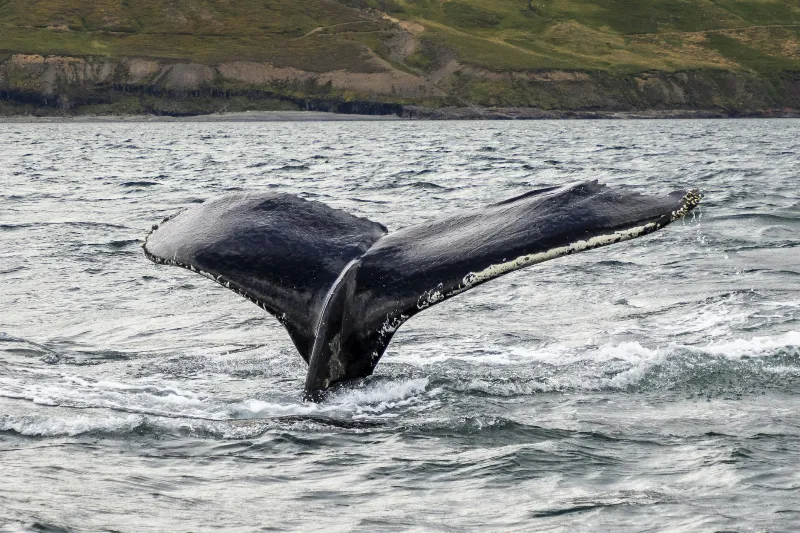
Marine animals exhibit a range of complex migration patterns that are crucial for their survival. For instance, humpback whales migrate thousands of miles between feeding grounds in polar waters and breeding areas in tropical regions. This migration is driven primarily by the availability of food and the need to reproduce in safe environments. Similarly, sea turtles navigate vast oceanic distances, returning to the beaches where they were born to lay their eggs.
Factors Influencing Migration
Various factors influence the migration patterns of marine species. These include:
- Seasonal Changes: Many species migrate in response to changing seasons, which affect food availability and reproductive cycles.
- Ocean Currents: Animals often use ocean currents to aid their migration, conserving energy during long journeys.
- Environmental Cues: Light, temperature, and salinity changes serve as signals for many species, guiding them along migration routes.
The Role of Migration in Ecosystem Health
The migration of marine animals is not just about survival; it plays a vital role in maintaining the health of marine ecosystems. For example, salmon migrations help to transport nutrients from ocean to river systems, supporting a wide range of life forms. Additionally, the breeding behaviors of migratory species can affect local populations of predators and prey, thus influencing the entire food web.
Understanding the migration patterns of marine animals is crucial in addressing conservation challenges. As climate change continues to alter ocean conditions, these species face unprecedented challenges that may disrupt their traditional migration routes. Observing and documenting these patterns can provide valuable insights into the resilience of marine ecosystems under changing environmental pressures.
Hungry for more?
Explore thousands of insights across all categories.
