
Ants Navigate With Impressive Memory Skills
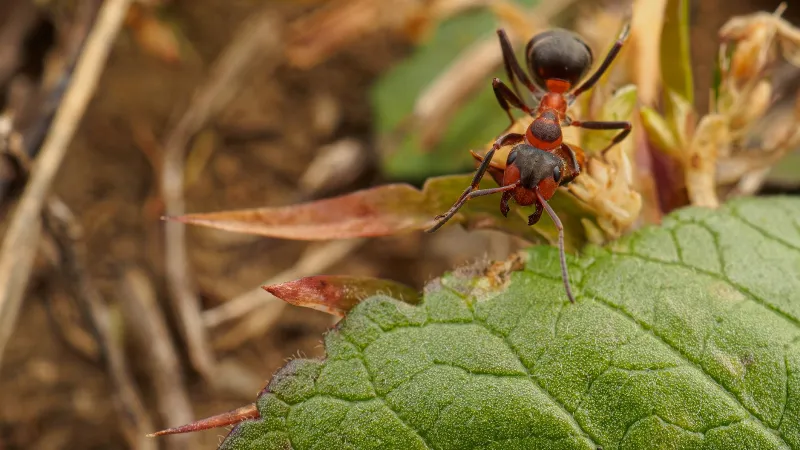

Memory Mapping in Ants
Ants possess a sophisticated memory system that enables them to find their way back to their nests or locate food sources. This ability is particularly evident when they travel long distances, often using visual landmarks and pheromone trails to guide their paths. Research suggests that ants can remember these cues and even adapt to changes in their environment, showcasing their impressive cognitive skills.
Spatial Awareness and Navigation
When navigating, ants rely heavily on a combination of visual and chemical signals. They utilize the sun's position and the Earth's magnetic field as navigational aids. Ants' brains contain specialized cells that process spatial information, allowing them to create mental maps of their surroundings. This spatial awareness is crucial, especially in complex environments where obstacles and changes can occur rapidly.
Learning and Memory Retention
Ants demonstrate an ability to learn from their experiences. Studies have shown that they can remember the locations of food sources and the routes taken to reach them. This learning process is enhanced by social interactions within the colony, as ants communicate and share information. Such memory retention is vital for survival, as it allows them to optimize their foraging strategies and avoid dangers.
Implications for Understanding Insect Behavior
Understanding how ants navigate and utilize their memory skills offers insights into the evolution of insect behavior. Their complex cognitive functions challenge traditional views of insect intelligence and suggest that even small creatures can possess remarkable adaptations. These insights can influence research in various fields, including robotics and artificial intelligence, where algorithms inspired by ant navigation may lead to advancements in technology.
Hungry for more?
Explore thousands of insights across all categories.
