
Ant Colonies Showcase Remarkable Problem-Solving Skills in Nature
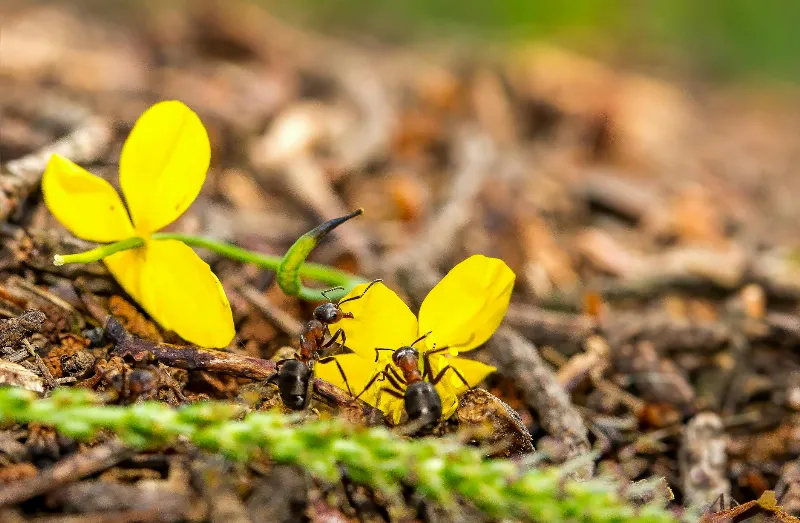

Complex Communication Systems
Ants rely on intricate communication methods to solve problems collectively. They use pheromones, chemical signals that convey information about food sources, dangers, or other relevant tasks. This form of communication allows ants to coordinate efficiently, directing their fellow workers to resources or alerting them to threats. The ability to share information rapidly among colony members enhances their collective intelligence and problem-solving capacity.
Resource Management and Foraging Strategies
In the quest for food, ant colonies exhibit remarkable resource management and foraging strategies. For instance, leafcutter ants cut and transport leaves back to their nests, where they cultivate fungus as food. This two-step process not only showcases their foraging skills but also reflects their understanding of resource sustainability. By optimizing their foraging routes and working together, they can cover vast areas while minimizing energy expenditure.
Adaptive Problem Solving in Changing Environments
Ants are adept at adapting their strategies in response to environmental changes. For example, when faced with obstacles, they often modify their paths by exploring alternative routes. This adaptability enables them to navigate complex terrains and exploit new resources. Such flexibility is vital for survival, particularly in dynamic environments where conditions can change rapidly.
Observing ant colonies reveals a fascinating world where collective behaviors and communication lead to advanced problem-solving capabilities. These tiny insects demonstrate that intelligence is not confined to larger animals, offering insights into the complexities of life in nature.
Hungry for more?
Explore thousands of insights across all categories.
