
Cephalopods Exhibit Advanced Problem-Solving Skills in Unique Ways
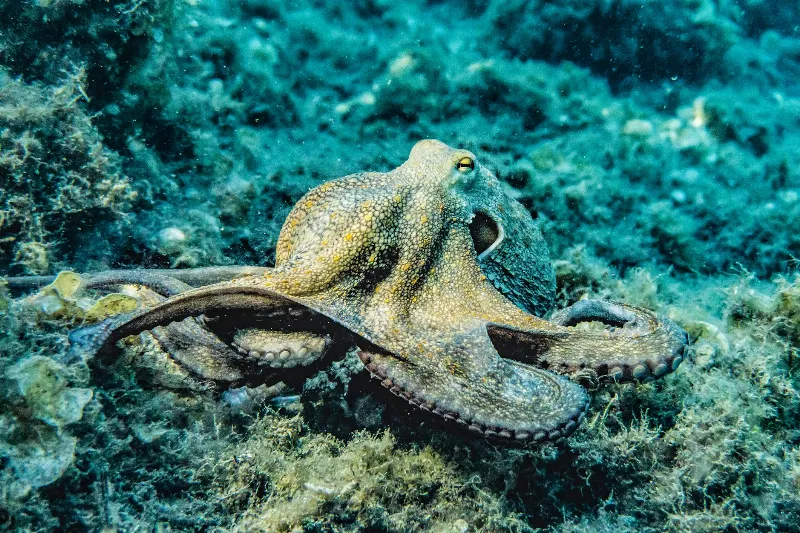

Intriguing Intelligence of Cephalopods
Cephalopods are not just masters of camouflage; they are also remarkable problem solvers. Unlike many other animals, their intelligence doesn't stem from a straightforward evolutionary path. Instead, it has developed uniquely, allowing them to adapt to their environments in surprising ways. These soft-bodied creatures employ various strategies to tackle challenges, showcasing a level of cognitive complexity that continues to intrigue scientists.
Innovative Problem-Solving Strategies
One of the most fascinating aspects of cephalopod intelligence is their ability to learn and adapt through experience. Research has shown that octopuses, for example, can navigate mazes and manipulate objects to obtain food. Their problem-solving skills can be broken down into several key behaviors:
- Tool use: Octopuses have been observed using coconut shells and shells as protective shelters or tools for hunting.
- Memory and learning: These creatures can remember solutions to problems and apply them in different situations, indicating a robust memory system.
- Complex communication: Cephalopods utilize color changes and body language to convey information to each other, showcasing a sophisticated form of interaction.
Implications of Cephalopod Intelligence
The study of cephalopod intelligence offers insights into the evolution of cognitive abilities across species. Understanding how these creatures solve problems can illuminate the pathways of intelligence development in other animals, including humans. Additionally, their capacity for learning and adaptability raises questions about the nature of intelligence itself and how it manifests in various forms throughout the animal kingdom.
As research progresses, cephalopods continue to captivate our curiosity and challenge our definitions of intelligence. Observing their behavior not only enhances our understanding of their lives but also deepens our appreciation for the complexity of life in the ocean.
Hungry for more?
Explore thousands of insights across all categories.
