
Cephalopods Exhibit Remarkable Intelligence in Navigating Complex Environments
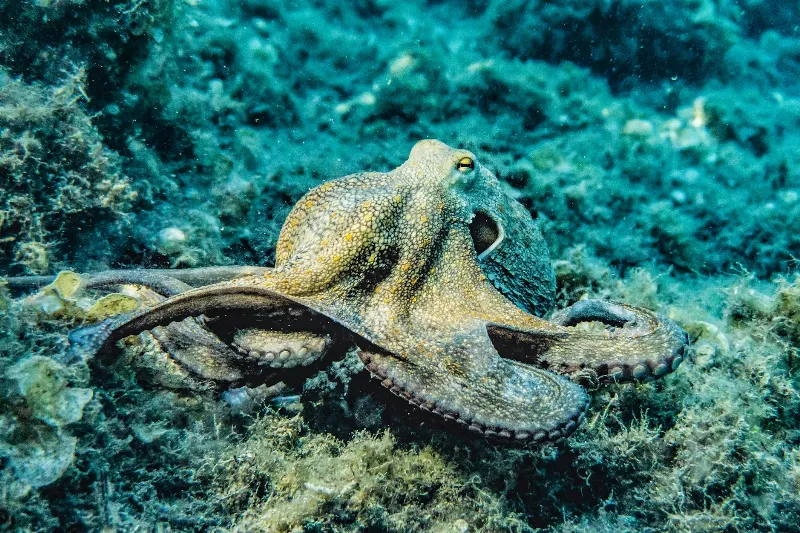

Cephalopods and Their Cognitive Abilities
Cephalopods, including octopuses, squids, and cuttlefish, are renowned for their remarkable intelligence. They possess advanced problem-solving skills that allow them to manipulate their environment in sophisticated ways. For example, octopuses can open jars to access food and use tools such as coconut shells for shelter. This adaptability is essential for survival in their often challenging habitats, where they encounter various predators and obstacles.
Navigating Complex Environments
These fascinating creatures thrive in a range of environments, from coral reefs to deep-sea trenches. Their ability to navigate such diverse landscapes is supported by several key features:
- Camouflage: Cephalopods can change their color and texture, blending seamlessly into their surroundings. This skill not only aids in avoiding predators but also helps them hunt more effectively.
- Sensory Perception: Their keen eyesight and sensitive skin enable them to detect subtle changes in their environment, allowing for quick responses to potential threats or prey.
- Learning and Memory: Studies show that cephalopods can learn from experience and remember past encounters, which enhances their ability to navigate complex scenarios.
As scientists continue to explore the depths of the ocean, the intelligence of cephalopods presents a captivating subject for research. Understanding how these animals interact with their environment not only sheds light on their behavior but may also provide insights into the evolution of intelligence in other species, including humans.
The intricate world of cephalopods remains a testament to the wonders of nature. Their intelligence and adaptability challenge our understanding of animal cognition, inspiring further study into the remarkable lives of these enigmatic creatures.
Hungry for more?
Explore thousands of insights across all categories.
