
Ants Communicate Using Chemical Signals: A Hidden Language
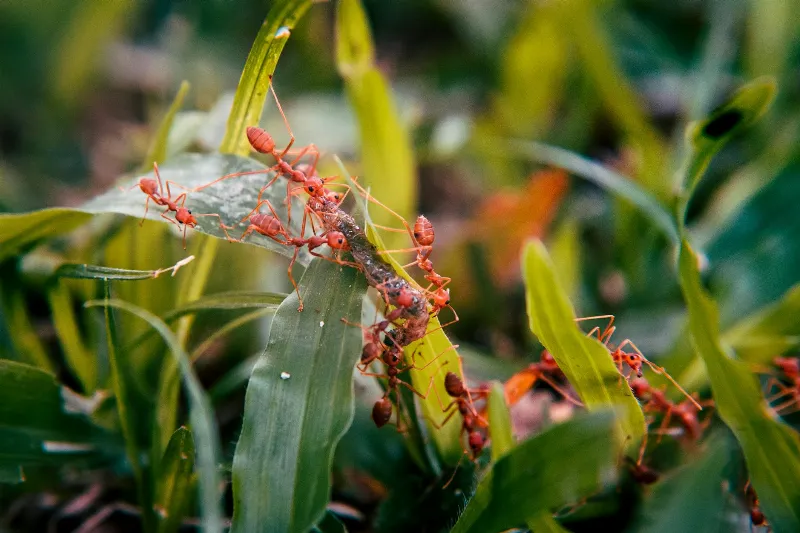

Understanding Pheromones in Ant Communication
Ants have developed a sophisticated means of communication that relies primarily on pheromones, which are chemical substances secreted by individuals to convey messages. These signals can indicate various things, such as the presence of food, warnings about predators, or even the need to relocate the colony. Each pheromone type has a unique composition and can elicit specific responses from other ants, showcasing a complex language that is invisible yet profoundly effective.
Coordination and Collaboration Through Chemical Signals
Within an ant colony, the ability to communicate effectively is crucial for survival. When a forager ant discovers food, it releases a trail pheromone that leads other colony members to the food source. This collective behavior enhances foraging efficiency and ensures that the colony can take advantage of available resources. Similarly, alarm pheromones signal danger, prompting ants to respond swiftly to threats. This chemical communication not only facilitates individual actions but also fosters a sense of unity and cooperation within the colony.
Moreover, the use of pheromones extends beyond immediate communication needs. Ants can also mark their territory and establish boundaries with specific chemical signals, helping to reduce conflicts with other colonies. This intricate web of chemical interactions underpins the social structure of ants, reflecting a remarkable adaptation to their environment.
The Impact of Chemical Communication on Ant Society
The study of ant pheromones offers insights into the broader implications of chemical communication in nature. By understanding how ants utilize these signals, researchers can draw parallels to other species and explore the evolution of communication methods across different organisms. Such knowledge can inform ecological studies and contribute to conservation efforts by highlighting the importance of chemical signaling in maintaining healthy ecosystems.
As we delve into the world of ants and their chemical communication, we uncover a hidden layer of their society that is both fascinating and essential for their survival. The complexity of this communication system challenges our understanding of social interactions in the animal kingdom and illustrates the intricate relationships that exist within nature.
Hungry for more?
Explore thousands of insights across all categories.
