
What Secrets Do Nebulae Hold About Star Formation

The Cosmic Landscape
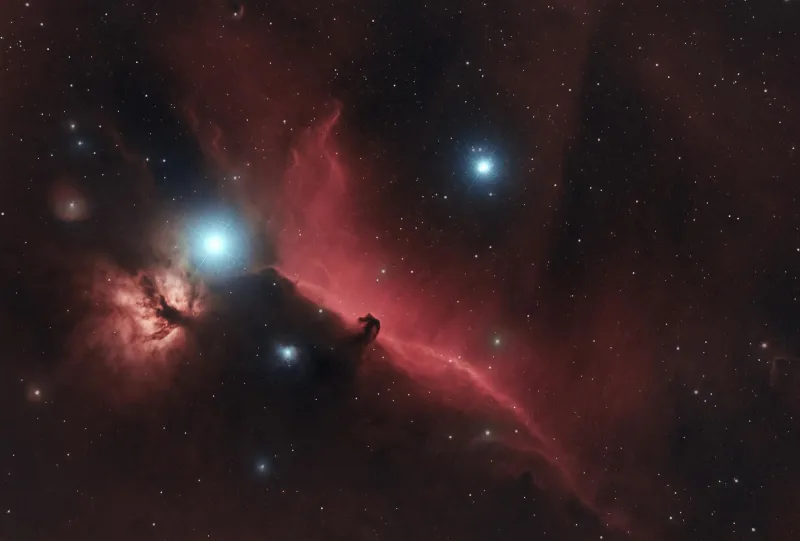
Imagine a vast expanse of space, where clouds of gas and dust swirl together in vibrant colors. This is the realm of nebulae, the birthplaces of stars. They stretch over light-years, often appearing in hues of red, blue, and green, creating a breathtaking cosmic tapestry. These formations not only captivate our imagination but also play a vital role in the lifecycle of stars.
Understanding Nebulae
Nebulae are typically categorized into three main types: emission, reflection, and dark nebulae. Emission nebulae shine brightly, fueled by the energy of nearby young stars. Reflection nebulae, on the other hand, do not emit light but reflect the glow of nearby stars, while dark nebulae obscure light from objects behind them. For example, the Orion Nebula, an emission nebula, is a stellar nursery where new stars are actively forming.
Star Formation Process
The formation of stars begins within these nebulae when regions of gas and dust collapse under their own gravity. This process creates dense cores, which eventually heat up, leading to nuclear fusion, the defining characteristic of a star. Over millions of years, these cores evolve, giving birth to stars of various sizes. To put this into perspective, our Sun is approximately 4.6 billion years old, having formed from such a process.
Insights from Nebulae
Research into nebulae provides critical insights into stellar evolution and the chemical processes that govern the universe. For instance, studies have shown that the composition of a nebula influences the types of stars that will form. Additionally, the presence of certain molecules can indicate the potential for planetary systems to develop. Understanding these factors helps astronomers piece together the cosmic puzzle of how galaxies and solar systems evolve.
A Universe of Discovery
Nebulae continue to spark curiosity and awe, serving as reminders of the universe's complexity. They not only reveal the story of stars but also hint at the dynamic processes that shape galaxies. In exploring these celestial wonders, we engage with the very fabric of the cosmos, fostering a deeper appreciation of our place within it.
Hungry for more?
Explore thousands of insights across all categories.
