
Mysterious light from the depths of the universe: What recent data from JWST reveals about the formation of distant galaxies
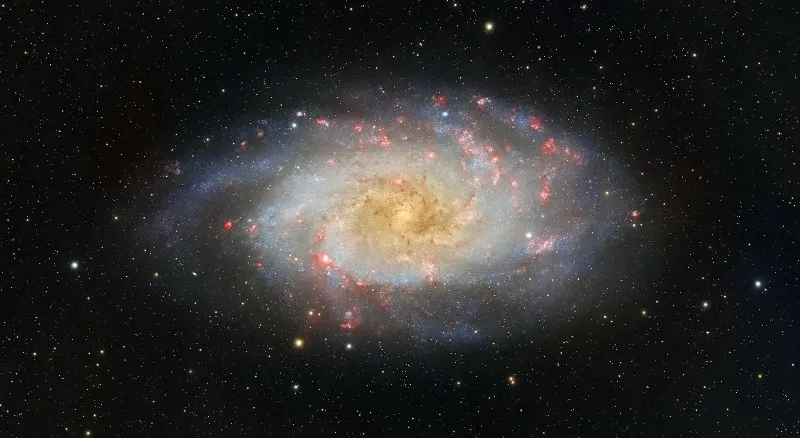

Introduction to JWST's Findings
James Webb Space Telescope (JWST) has redefined our understanding of the cosmos. Launched in December 2021, its infrared capabilities allow it to peer deeper into the universe than ever before. Just recently, it captured mysterious light emissions from some of the earliest galaxies, sparking excitement among astronomers.
What Did JWST Discover?
Recent observations have unveiled a series of bright, distant galaxies, each emitting unique light signatures. These emissions are crucial for understanding how galaxies formed and evolved in the early universe, approximately 13 billion years ago.
- Galaxy Formation: JWST identified features indicating rapid star formation, suggesting that these galaxies were bustling with activity just a few hundred million years after the Big Bang.
- Light Spectrum Analysis: By analyzing light wavelengths, scientists can infer the chemical composition of these galaxies, including elements like hydrogen, helium, and traces of heavier elements.
- Gravitational Lensing: Some light sources appear brighter due to gravitational lensing effects, allowing astronomers to study smaller and fainter galaxies that would otherwise remain hidden.
The Chemical Signature of Distant Galaxies
One of the most startling discoveries involved the detection of ionized oxygen and hydrogen in these ancient galaxies. This indicates:
“The presence of these elements suggests that conditions for star formation were favorable, leading to the creation of complex structures much earlier than previously thought.”Such findings challenge existing models of galaxy formation and imply that the processes occurring in the early universe were more dynamic.
How Do These Findings Impact Our Understanding?
Imagine this: The universe is a vibrant tapestry of galaxies forming at astonishing rates, much faster than we have ever imagined. These insights force us to rethink the timeline of cosmic evolution. Key impacts include:
- Revising Cosmic History: The timeline for galaxy formation is pushed back, suggesting that the universe was more crowded with galaxies than previously believed.
- New Models Needed: The rapid formation of stars necessitates new astrophysical models to explain the energetic processes at play.
- Future Research Directions: These discoveries pave the way for more focused studies on galaxy evolution and the role of dark matter in shaping cosmic structures.
Conclusion
While this exploration into distant galaxies is just beginning, JWST's findings already hint at a universe teeming with life and activity far earlier than we ever anticipated. The implications are profound and will likely keep astronomers busy for years to come.
Hungry for more?
Explore thousands of insights across all categories.
