
What Secrets Do Black Holes Unveil About Galaxy Formation
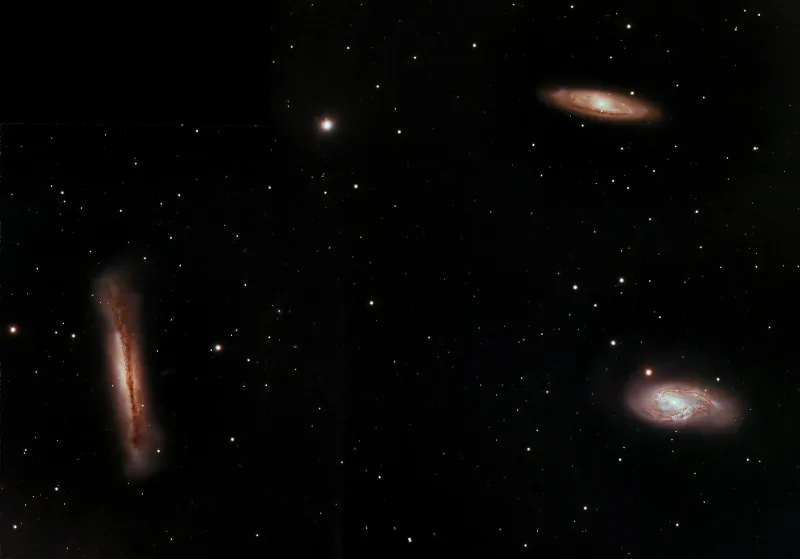

The Cosmic Architects: Black Holes in Galaxy Formation
Black holes are more than just voids in space; they are powerful forces that play a crucial role in the formation and evolution of galaxies. When massive stars exhaust their nuclear fuel, they can collapse under their own gravity, creating a black hole. These entities then begin to influence their surroundings through their intense gravitational pull. This interaction leads to fascinating phenomena, including the accretion of gas and dust, which can trigger the birth of new stars.
Influence on Star Formation
The gravitational effects of black holes extend far beyond their immediate vicinity. They can regulate star formation rates in their host galaxies. When gas clouds fall into a black hole, the energy released can heat surrounding material, preventing it from collapsing into stars. Alternatively, this energy can also compress nearby gas, causing it to form new stars. This duality illustrates the complex relationship between black holes and star formation, making them both creators and destroyers in galactic ecosystems.
Galactic Evolution and Structure
Black holes are also pivotal in shaping the structure of galaxies. Their presence can lead to the formation of galactic bulges and influence the overall dynamics of galaxies. Supermassive black holes, found at the centers of most galaxies, can dictate how stars and gas move within their galactic neighborhoods. This central influence can lead to spiral arms in galaxies or aid in the merging of galaxies, further altering their shapes and structures over time.
The study of black holes is still evolving, but their role in galaxy formation is clear. They serve as both architects and catalysts, driving the processes that shape the cosmos. As we continue to explore these mysterious objects, we gain deeper insights into the history and evolution of the universe itself.
Hungry for more?
Explore thousands of insights across all categories.
