
Unraveling the secrets of the pink Lake Hillier: What hidden microorganisms create its vibrant hue
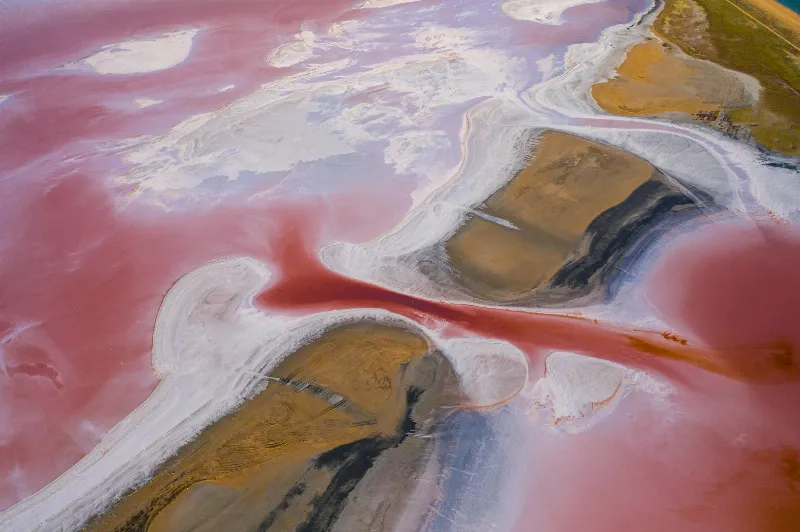

Lake Hillier: A Natural Wonder
Lake Hillier stands out as one of the most captivating natural phenomena on Earth. Located on Middle Island in the Recherche Archipelago, off the southern coast of Western Australia, this lake is renowned for its striking pink color. Unlike any other body of water, its hue is not just a trick of the light but a vibrant result of biological activity.
What Causes the Pink Color?
Imagine walking along a beach and encountering a lake that looks like it belongs in a dream. The vibrant pink of Lake Hillier is primarily due to the presence of specific microorganisms, particularly Halobacterium and Dunaliella salina.
- Halobacterium: This salt-loving archaea produces a pigment called bacteriorhodopsin, which absorbs light and appears pink.
- Dunaliella salina: A type of microalgae that thrives in high-salinity environments, it contains beta-carotene, giving it a reddish hue.
- Salinity Levels: The lake's high salinity (about 1.5 times that of sea water) fosters an environment where these microorganisms flourish.
Microbial Ecosystem
Lake Hillier's color is a window into its unique microbial ecosystem. You might wonder how such a small organism can create such a vivid spectacle. The answer lies in their survival strategies:
Microorganisms in Lake Hillier have adapted to extreme conditions, turning salt into a vibrant palette.These organisms not only survive but thrive, producing pigments that protect them from intense sunlight. This adaptation is vital for their energy processes and survival in the harsh environment.
Environmental Factors
The color of Lake Hillier can vary depending on environmental conditions. Factors such as:
- Temperature: Warmer temperatures enhance the growth of Dunaliella salina, leading to a more vibrant pink.
- Salinity: Changes in salinity can affect the concentration of pigments produced.
- Light Exposure: Increased sunlight can boost photosynthesis in algae, intensifying the lake’s color.
Human Impact
While Lake Hillier remains mostly untouched, human activity can threaten its delicate balance. With increasing tourism and potential industrial activities nearby, the lake's unique ecosystem requires protection.
Efforts must be made to monitor and preserve this natural wonder to ensure that future generations can experience its breathtaking beauty.
Conclusion
Lake Hillier is not just a pretty sight; it’s a testament to the resilience of life. The microorganisms that create its stunning pink hue are a reminder of nature's power to adapt and thrive in even the harshest conditions.
Hungry for more?
Explore thousands of insights across all categories.
