
The Unseen World of Microbial Communication: Do Bacteria Really Talk
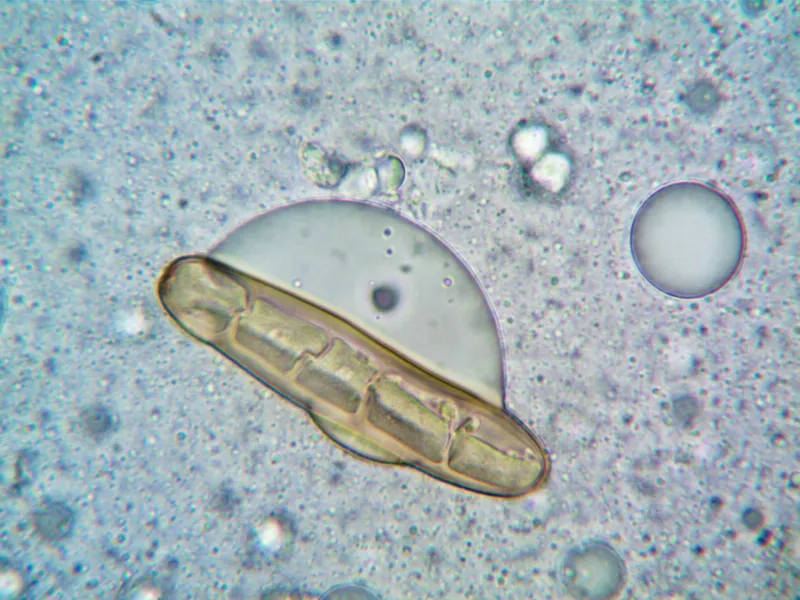

Imagine a world where tiny organisms are constantly chatting with each other. Bacteria, often unseen, have their own unique language. They don't speak like humans, but they use chemical signals to convey messages. This form of communication is known as quorum sensing, and it allows bacteria to coordinate their behavior in remarkable ways.
How do they do it? When bacteria reach a certain population density, they release signaling molecules called autoinducers. Once these molecules reach a threshold concentration, they trigger a collective response. For instance, some bacteria can form biofilms, which are protective layers that enable them to thrive in various environments. This coordinated action is crucial for their survival.
Did you know that bacteria can even warn each other about threats? When faced with danger, some bacterial species release signals that inform nearby bacteria to enter a protective state. This kind of communication can enhance their chances of survival in hostile environments, showcasing a level of sophistication that challenges our understanding of simple life forms.
What does this mean for us? Understanding bacterial communication has implications for medicine and environmental science. It opens doors to new treatments for infections and helps in managing microbial communities in various ecosystems. The unseen world of bacteria is far more complex than we once thought, hinting at a hidden network of life that connects all living things.
Hungry for more?
Explore thousands of insights across all categories.
