
Unraveling the Factors Behind Minoan Civilization's Collapse
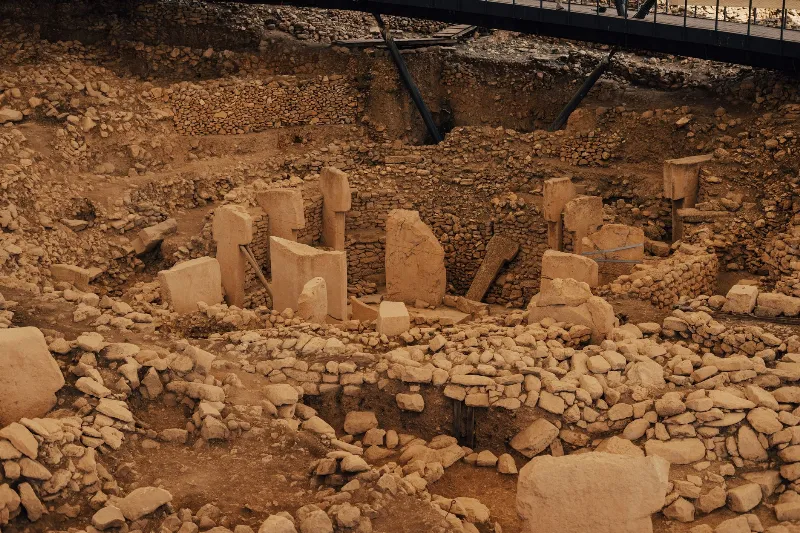

Entering the World of Minoan Civilization
Imagine standing in a vibrant palace on the island of Crete, where intricate frescoes depict scenes of bustling life and ritual. The Minoans were at the height of their power, known for their impressive architecture and maritime prowess. Yet, beneath this thriving society lay vulnerabilities that would eventually unravel their achievements.
Environmental Challenges and Natural Disasters
The Minoan civilization flourished during the Aegean Bronze Age, but it was not immune to the whims of nature. Evidence suggests that a series of volcanic eruptions and earthquakes struck the region. The most notable was the eruption of Santorini around 1600 BCE, which likely devastated nearby settlements and disrupted trade routes. Such environmental upheavals would have had cascading effects, leading to food shortages and economic instability.
Additionally, climatic changes may have contributed to a decline in agricultural productivity. As crops failed, tensions within society would have escalated, leading to increased competition for resources.
Societal Shifts and Internal Strife
As the external pressures mounted, internal strife began to surface. The Minoan society was characterized by its complex structure, possibly led by a network of elites. However, as food became scarce and trade dwindled, social cohesion weakened. Discontent among the lower classes may have risen, leading to shifts in power dynamics.
Archaeological findings indicate that the palatial centers, once hubs of economic activity and governance, began to decline. This shift suggests that the elite were unable to maintain control, as local communities might have turned towards more decentralized forms of governance.
External Pressures and Invasions
Compounding the challenges faced by the Minoans were external threats. The rise of neighboring civilizations, such as the Mycenaeans, posed a direct challenge to Minoan dominance in the region. As these groups expanded, they encountered the weakening Minoan society, which struggled to defend its territories.
The eventual fall of Minoan civilization can be seen as a culmination of these factors: environmental disasters that disrupted their economy, societal shifts that eroded their political structure, and external pressures that exploited their vulnerabilities. This combination of challenges transformed a once-thriving civilization into a shadow of its former self.
In the quiet aftermath of their decline, the remnants of Minoan culture would linger, influencing future civilizations in the region. The lessons of their downfall resonate, offering insights into the fragility of even the most advanced societies.
Hungry for more?
Explore thousands of insights across all categories.
