
Unearthing Pompeii: How a Chance Discovery Changed History
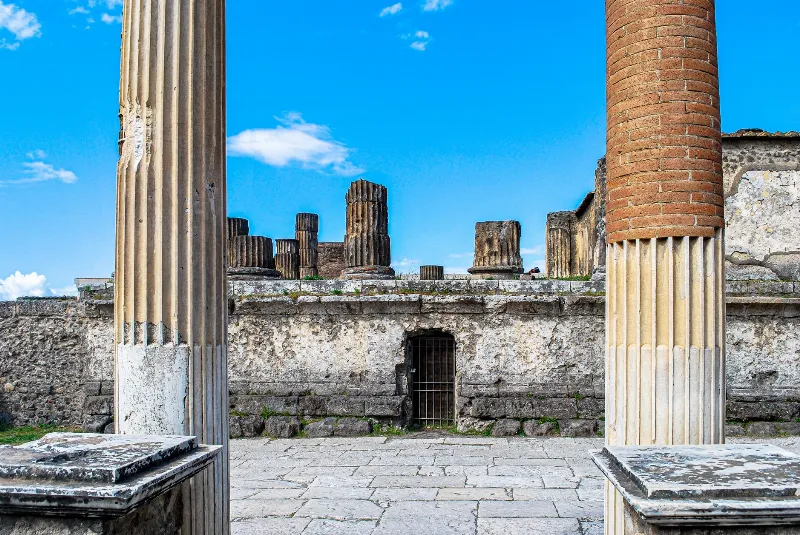

In the year 1748, a group of workers unearthed a remarkable site while digging for materials near Naples, Italy. Under layers of volcanic ash, the remnants of a once-thriving city began to emerge. This unexpected find was the ancient Roman city of Pompeii, buried by the catastrophic eruption of Mount Vesuvius in 79 AD. Little did they know, this discovery would ignite a passion for archaeology that would resonate through the centuries.
Serendipity and Curiosity
Initially, the workers were searching for stone for a nearby palace. As they dug deeper, they stumbled upon walls, frescoes, and artifacts that hinted at a sophisticated civilization frozen in time. This was not merely a collection of ruins; it was a vivid snapshot of daily life in ancient Rome. The discovery captured the attention of archaeologists and scholars, leading to a broader investigation that revealed the city's layout, architecture, and the lifestyles of its inhabitants.
The allure of Pompeii was not just in its physical remains but also in the stories they told. As artifacts were unearthed, from kitchen utensils to intricate mosaics, they offered insights into Roman society, trade, and urban planning. The meticulous preservation of these artifacts allowed for a deeper understanding of cultural practices and social dynamics of the time.
A Turning Point in Archaeology
The excavation of Pompeii marked a significant shift in the field of archaeology. Before this, many ancient sites had been plundered or neglected, but Pompeii's accidental unveiling underscored the importance of careful excavation and preservation. Scholars began to advocate for systematic archaeological methods, laying the groundwork for modern archaeology as a respected discipline.
As excavations continued, Pompeii became a focal point for tourists, scholars, and artists alike. The city inspired countless works of art and literature, reflecting its profound influence on Western culture. The fascination with Pompeii extended beyond its ruins; it raised questions about human resilience, the power of nature, and the fragility of civilization itself.
Today, Pompeii stands not only as a tourist destination but as a poignant reminder of the past. It serves as a lesson in the importance of preserving history, revealing the complexities of life in ancient times and the continuous thread of human experience. The chance discovery that began in 1748 continues to resonate, inviting people to explore the echoes of a lost world.
Hungry for more?
Explore thousands of insights across all categories.
