
Trees Use Roots to Send SOS Signals to One Another

Underground Networks of Communication
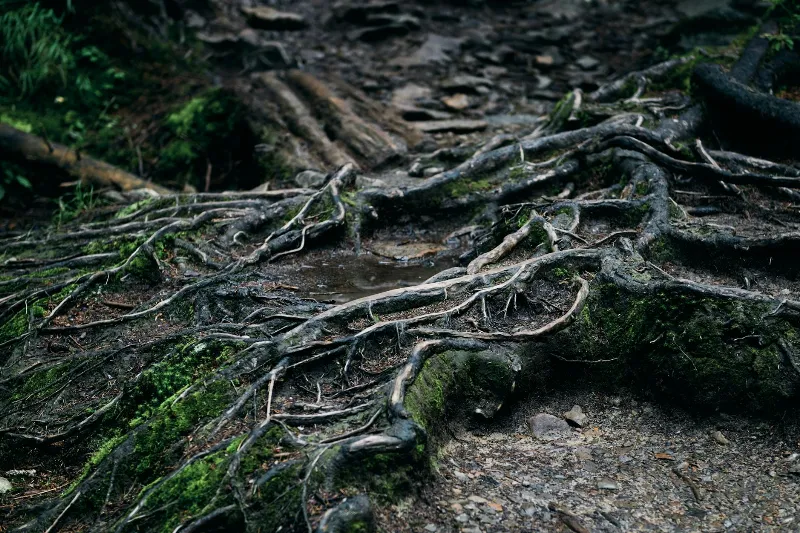
Trees are not solitary beings; they engage in a complex form of communication that occurs beneath the soil. Through their root systems, they create intricate networks that allow them to send signals to one another. These connections are facilitated by beneficial fungi, known as mycorrhizae, which form a symbiotic relationship with tree roots. This fungal network acts as a kind of internet for trees, enabling them to exchange nutrients and information.
Warning Signals and Cooperative Behavior
When a tree is under threat from pests or diseases, it can release specific chemical signals through its roots. These signals travel through the mycorrhizal network, alerting neighboring trees to prepare their defenses. This cooperative behavior ensures that surrounding trees can bolster their own chemical defenses, increasing their chances of survival. Studies have shown that trees in close proximity to a distressed tree can enhance their own resistance to threats, demonstrating the profound impact of this underground communication.
This fascinating interaction between trees highlights the importance of community and cooperation in the natural world. It challenges the traditional view of trees as isolated organisms and reveals a hidden social network that plays a crucial role in forest health and resilience. Understanding these connections can reshape our perspective on conservation and forest management.
Hungry for more?
Explore thousands of insights across all categories.
