
Sharks That Defy Time: Some Live Over 100 Years

Longevity in the Depths
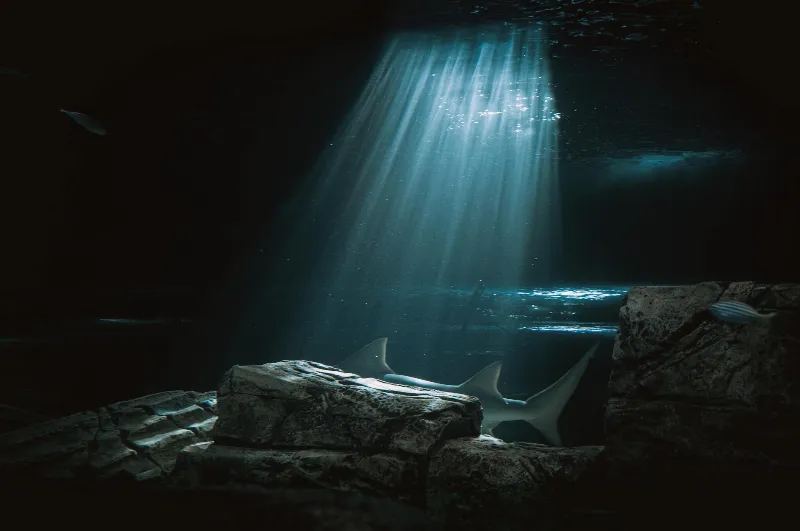
Greenland sharks are among the longest-living vertebrates known to science, with some individuals estimated to be over 400 years old. This astonishing lifespan is attributed to their extremely slow growth rate, which can be as little as one centimeter per year. Their cold, deep-sea habitat may also play a role, as colder temperatures can slow metabolic processes and increase lifespan.
Unique Adaptations for Survival
Several factors contribute to the remarkable longevity of these sharks. Their slow reproductive rate means they invest more time in raising fewer young, enhancing survival potential. Additionally, their unique physiology allows them to thrive in some of the harshest environments on Earth, including icy Arctic waters. This adaptability not only helps them survive but also allows them to flourish in conditions that many other species would find hostile.
Implications for Science
The study of Greenland sharks could provide insights into aging processes and longevity in other species, including humans. Understanding their genetic makeup and biological processes may reveal secrets to maintaining health and vitality over extended lifespans. As researchers continue to explore these ancient creatures, the potential for groundbreaking discoveries grows.
With their incredible adaptations and extended lifespans, these sharks challenge our understanding of aging and survival in the animal kingdom. Their resilience sheds light on the mysteries of longevity and offers a glimpse into the potential for life in extreme conditions.
Hungry for more?
Explore thousands of insights across all categories.
