
Trees Talk Underground: Roots Share Nutrients and Warnings
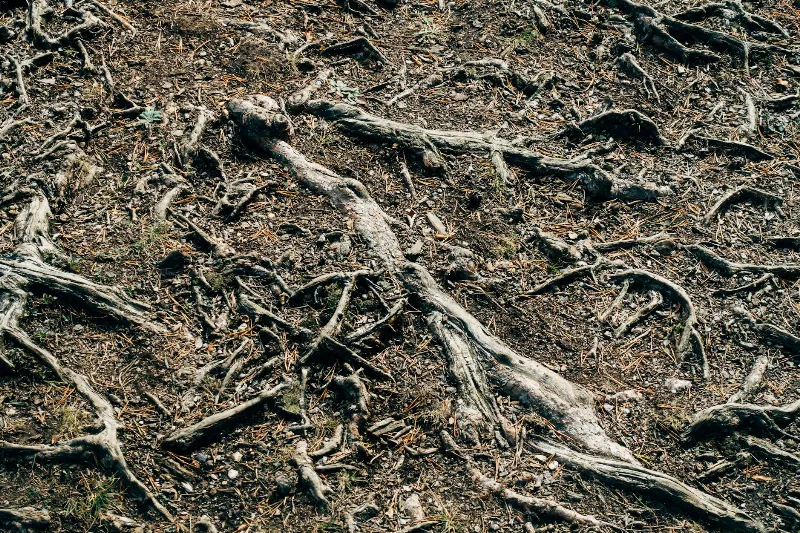

Underground Networks
Trees are not solitary beings; they form intricate relationships with one another through their root systems. These connections are facilitated by mycorrhizal fungi, which attach to the roots and create a vast network that allows trees to exchange nutrients and information. This underground web can connect trees across large distances, enabling them to support each other in times of need.
Sharing Resources
When one tree is in distress, such as during a drought or pest invasion, it can send chemical signals through its roots to alert nearby trees. In response, neighboring trees may increase their nutrient output to help the struggling plant. This cooperation ensures the survival of the forest as a whole, demonstrating a remarkable level of social behavior among trees.
Defensive Communication
In addition to sharing nutrients, trees can also warn each other about potential threats. For instance, when attacked by insects, trees can release volatile organic compounds that travel through the air and alert nearby trees to prepare their defenses. This proactive communication can lead to a heightened production of protective chemicals in neighboring trees, showcasing an advanced form of environmental awareness.
This fascinating underground communication not only highlights the complexity of tree ecosystems but also challenges our understanding of plant intelligence. The collaborative nature of trees and their ability to support one another reveals a hidden world that operates quietly beneath our feet, reflecting the interconnectedness of life.
Hungry for more?
Explore thousands of insights across all categories.
