
Trees Send Messages Through Underground Networks

Underground Conversations
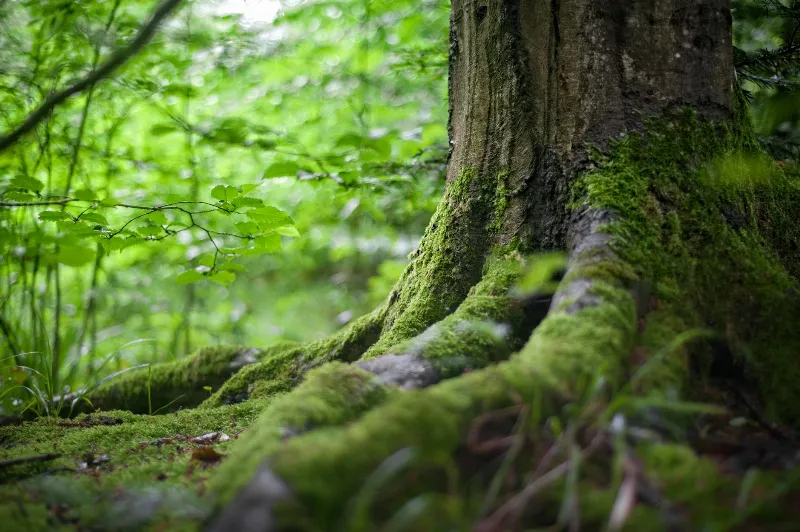
Trees are not solitary beings; they form a complex social network underground. Through their roots, trees connect with fungi in a symbiotic relationship known as mycorrhizal networks. These networks allow trees to share essential nutrients, water, and even information about environmental threats, such as insect infestations or diseases. This fascinating form of communication highlights the intricate relationships that sustain forest ecosystems.
Mutual Aid and Resource Sharing
In these underground networks, larger, healthier trees often help smaller or weaker ones by supplying them with nutrients. This mutual aid system ensures the survival of various species within the ecosystem, making it more resilient to changes in the environment. Researchers have found that trees can prioritize sending resources to their kin, demonstrating a form of social behavior that challenges traditional views of competition in nature.
The Role of Fungi
The fungi that connect tree roots play a crucial role in these interactions. They act as conduits, facilitating the exchange of nutrients and information. Some studies suggest that these fungal networks can even help trees warn each other about potential threats, allowing them to bolster their defenses before harm occurs. This relationship underscores the complexity of forest dynamics and the importance of biodiversity.
Understanding how trees communicate through their roots not only reshapes our view of plant life but also emphasizes the importance of preserving these ecosystems. As we uncover more about these hidden networks, we gain insight into the resilience and adaptability of nature. The more we learn, the more we realize that the natural world operates in ways that are far from simple.
Hungry for more?
Explore thousands of insights across all categories.
