
Trees Use Fungi Networks To Communicate And Share Resources
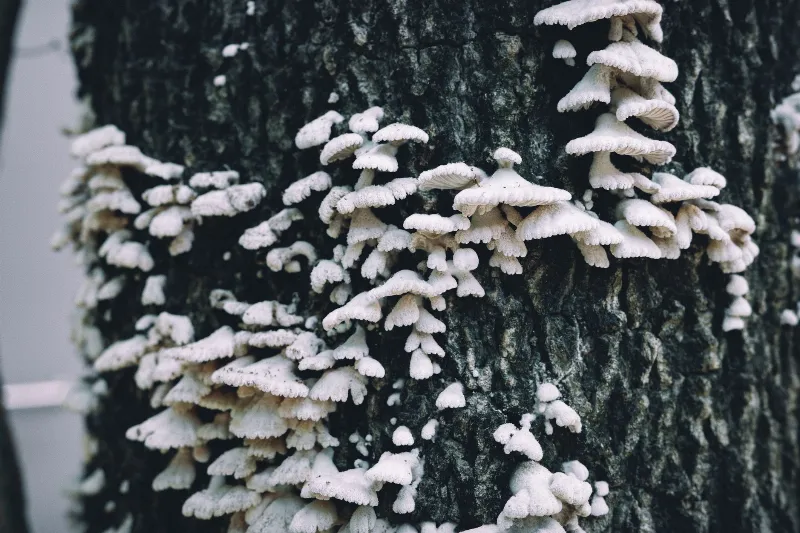

Fungal Connections: The Hidden Language of Trees
In forests, trees are not solitary beings. They form intricate relationships with fungi that extend underground, creating a vast network often referred to as the "wood wide web." This network allows trees to communicate and exchange vital resources, significantly impacting their growth and survival.
Resource Sharing and Support
Through these fungal connections, trees can share nutrients, water, and even warning signals about pests or diseases. For instance, healthy trees can send carbon to weaker neighbors, helping them thrive. This collaboration fosters a sense of community among trees, enhancing the resilience of the entire forest ecosystem.
Research has shown that these networks are not just beneficial; they are essential for the health of forests. Trees that engage in these underground exchanges tend to grow faster and live longer than those that do not, highlighting the importance of cooperation in nature.
As scientists explore these relationships, they uncover a deeper understanding of ecological balance. The complex interactions among trees, fungi, and other organisms demonstrate how interconnected life truly is, challenging traditional views of competition in nature.
Hungry for more?
Explore thousands of insights across all categories.
