
Trees Tackle CO2: Surprising Strategies for Carbon Capture
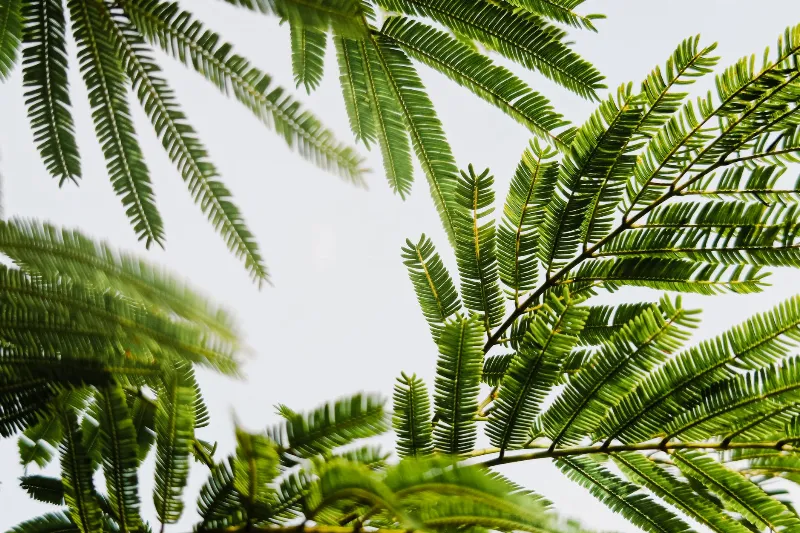

Unique Leaf Structures Enhance CO2 Absorption
Some trees are equipped with specialized leaf structures that increase their ability to capture carbon dioxide. For example, broad leaves can capture more sunlight, which fuels photosynthesis and enhances CO2 uptake. Additionally, the thickness and surface area of leaves can influence how effectively a tree processes carbon. This means that a tree's design can dictate its efficiency in fighting climate change.
Growth Rates Impact Carbon Sequestration
Not all trees grow at the same rate, and this discrepancy significantly affects their carbon absorption capabilities. Fast-growing species, such as poplars and willows, can sequester large amounts of CO2 in a short time. In contrast, slower-growing trees may take decades to achieve the same level of carbon storage. This variation emphasizes the importance of selecting the right species for reforestation efforts aimed at maximizing carbon capture.
Environmental Conditions Matter
The environment where a tree is planted also plays a crucial role in its CO2 absorption efficiency. Factors such as soil quality, climate, and even competition with other plants can affect a tree's growth and carbon storage potential. Trees in nutrient-rich soils tend to grow faster and absorb more CO2. Understanding these conditions can help forestry initiatives succeed in their climate goals.
As climate change continues to challenge ecosystems globally, exploring the intricacies of tree biology may unveil new strategies for carbon capture. The diversity in tree adaptations not only highlights the complexity of nature but also offers insights into how we can leverage these differences in our collective fight against global warming.
Hungry for more?
Explore thousands of insights across all categories.
