
Earth's Atmosphere Contains Enough Oxygen For Millennia

Oxygen Supply and Its Origins
Earth's atmosphere is composed of approximately 21% oxygen, a vital element for most life forms. This oxygen is primarily produced by plants, algae, and certain bacteria through the process of photosynthesis. These organisms convert carbon dioxide and sunlight into oxygen and glucose, releasing oxygen as a byproduct. Given the current rates of oxygen production, scientists estimate that Earth's atmosphere holds enough oxygen to support aerobic life for thousands of years.
Impact of Ecosystems on Oxygen Levels
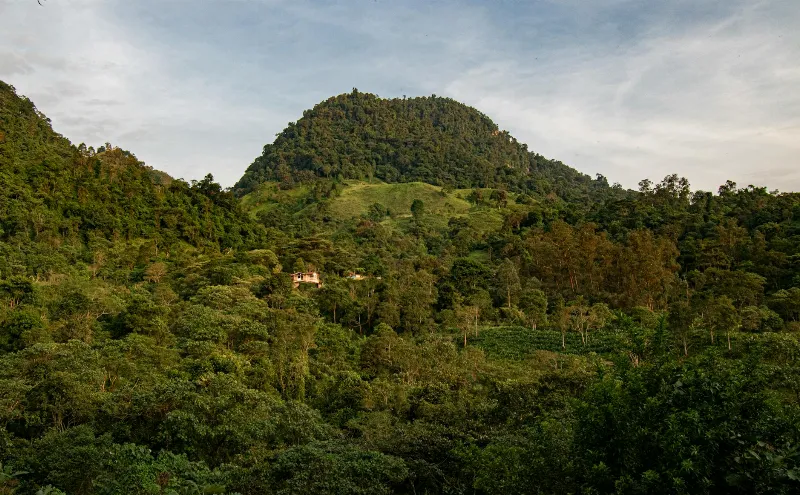
The health of our ecosystems directly affects the availability of oxygen. Forests, oceans, and wetlands play crucial roles in maintaining oxygen levels. For instance, rainforests are often referred to as the 'lungs of the planet' due to their significant contribution to atmospheric oxygen through photosynthesis. Similarly, phytoplankton in the ocean contributes around 50% of the oxygen we breathe. Protecting these ecosystems is essential for ensuring the longevity of our oxygen supply.
In addition, climate change poses a threat to these vital ecosystems. Rising temperatures, deforestation, and ocean acidification can disrupt the delicate balance necessary for sustaining oxygen production. As habitats are altered or lost, the organisms responsible for oxygen generation may decline, potentially impacting the entire biosphere.
Ultimately, the intricate web of life on Earth is supported by the oxygen provided by various organisms. The interdependence of life forms and their environments highlights the importance of sustainable practices to protect these natural systems. Without them, the future of Earth's oxygen supply and, consequently, life itself could be at risk.
Hungry for more?
Explore thousands of insights across all categories.
