
Antarctica Surpasses Sahara As Largest Desert

Redefining Deserts
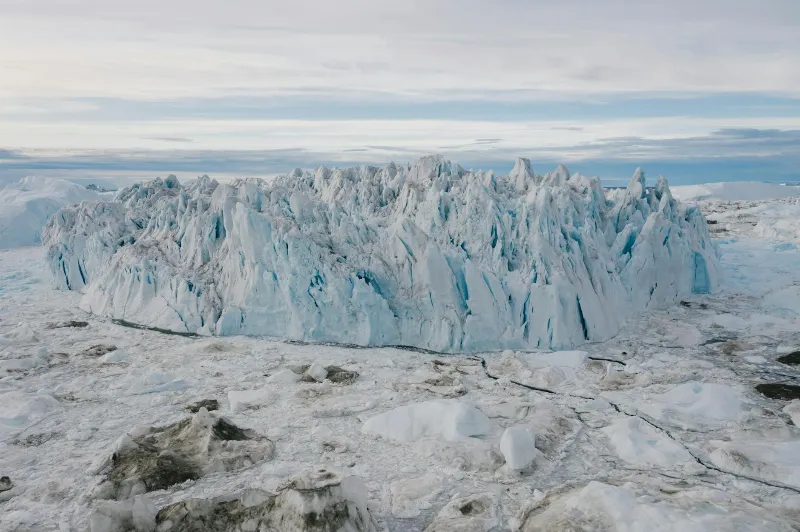
When most people think of deserts, images of endless sand dunes and scorching temperatures spring to mind. However, the definition of a desert encompasses any region that receives less than 250 millimeters (about 10 inches) of precipitation annually. This criteria allows Antarctica, with its frigid climate and minimal rainfall, to claim the title of the largest desert on Earth, measuring approximately 14 million square kilometers (5.5 million square miles).
Antarctica vs. Sahara
In comparison, the Sahara Desert, famous for its vast stretches of sand, covers an area of about 9.2 million square kilometers (3.6 million square miles). The stark contrast between these two geographical formations highlights how climate shapes our understanding of deserts. While the Sahara might evoke thoughts of heat and arid conditions, Antarctica presents a chilling reality where the lack of moisture defines its desert classification.
This revelation not only broadens the definition of deserts but also challenges preconceived notions about their characteristics. The icy landscape of Antarctica serves as a reminder that deserts can thrive in extreme cold just as they do in extreme heat.
Impact on Climate and Ecosystems
Understanding Antarctica's status as a desert has significant implications for climate science and ecosystem studies. As a crucial component of the Earth's climate system, the Antarctic ice sheet plays a vital role in regulating global temperatures. Its vast, frozen expanse reflects sunlight and helps maintain cooler temperatures in the southern hemisphere.
Moreover, the unique ecosystems that exist in and around Antarctica are adapted to its harsh conditions. These organisms, including specialized algae and krill, highlight the resilience of life in even the most unexpected environments. By recognizing Antarctica as a desert, scientists can better study and protect these fragile ecosystems.
In summary, Antarctica's classification as the largest desert challenges traditional views and emphasizes the diversity of desert landscapes. This knowledge reshapes our understanding of Earth's climatic regions and underscores the importance of preserving all types of ecosystems.
Hungry for more?
Explore thousands of insights across all categories.
