
How The Theory Of Evolution Challenges Our Understanding Of Species Development
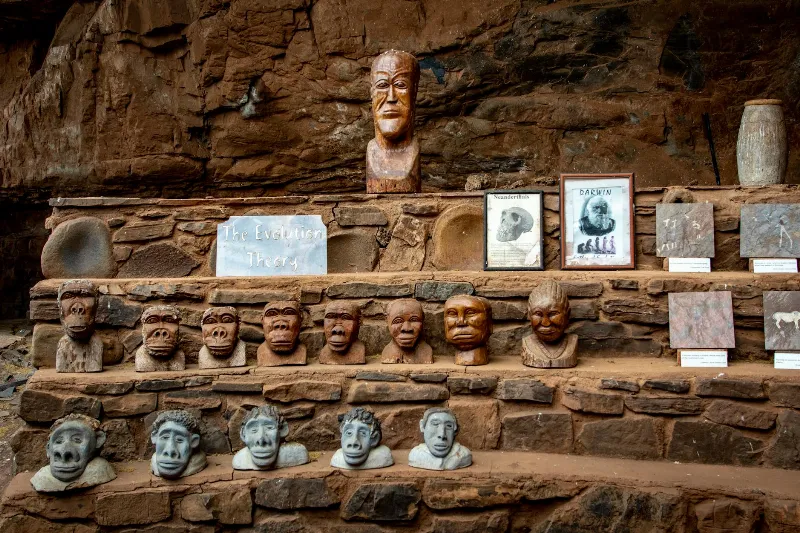

Imagine walking through a dense forest, observing the incredible variety of plants and animals. Each species appears distinct, yet they share common traits that hint at deeper connections. This observation leads us to the heart of evolutionary theory, which posits that all species are related through a complex web of ancestry and adaptation.
Understanding Evolutionary Change
At its core, the theory of evolution explains how species evolve over time through processes like natural selection and genetic variation. Instead of viewing species as fixed categories, evolution presents them as fluid entities that adapt to their environments. For instance, the peppered moth in England illustrates this well; its coloration changed in response to industrial pollution, demonstrating how environmental factors can drive evolutionary change.
Implications for Biodiversity
This new perspective on species development challenges traditional notions of biodiversity. It highlights that the diversity we see today is a product of countless generations of change rather than a static set of organisms. Moreover, it suggests that understanding the relationships between species can shed light on conservation efforts. Protecting ecosystems may require us to consider how species interact and adapt over time.
Additionally, the implications of evolutionary theory extend into various fields, from medicine to ecology. In medicine, for example, understanding how bacteria evolve can inform antibiotic development and resistance strategies. In ecology, recognizing the interconnectedness of species can enhance our approach to environmental management.
Ultimately, the theory of evolution invites us to reexamine our understanding of life itself. It emphasizes that change is an intrinsic part of existence, reminding us that the world is a dynamic tapestry of life that continually evolves.
Hungry for more?
Explore thousands of insights across all categories.
