
How Does The Brain's Plasticity Challenge Our Understanding Of Memory
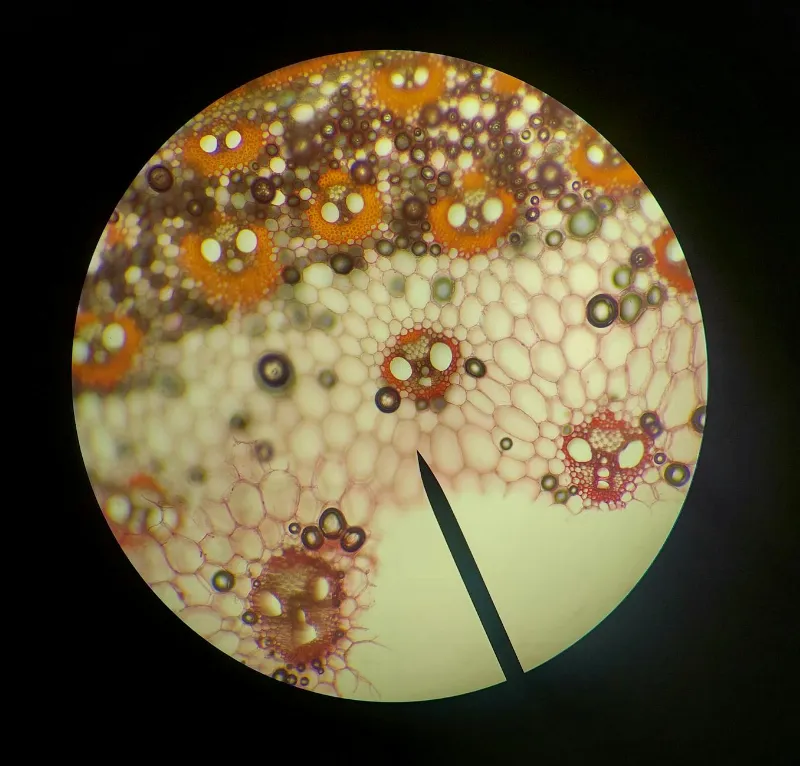

Understanding Brain Plasticity
Brain plasticity, or neuroplasticity, refers to the brain's ability to change and adapt in response to new experiences. This flexibility means that our memories are not static but rather subject to change based on various factors. For instance, after learning a new skill, the brain forms new neural connections, illustrating how experiences can reshape our understanding.
Memory Formation and Change
Traditionally, memory was viewed as a fixed entity, akin to a photograph stored in an album. However, research suggests that memories can evolve over time. When we recall a memory, we may unintentionally alter it, influenced by current emotions or new information. This phenomenon is evident in everyday life; for instance, you might remember a childhood event differently after discussing it with friends.
The Role of Experience
Experiences play a crucial role in how memories are formed and modified. Here are three key factors that influence this process:
- Repetition: Revisiting a memory can strengthen or change it.
- Context: The environment in which a memory is recalled can alter its details.
- Emotion: Strong emotions can enhance the vividness and detail of a memory.
These elements highlight that memory is more like a living organism than a static image, constantly evolving with each recollection.
Implications for Learning
This understanding of brain plasticity challenges traditional educational methods by suggesting that personalized and adaptive learning experiences could enhance memory retention. For example, engaging teaching methods that relate to students' interests may create stronger, lasting memories. As we grasp this concept, it opens up new avenues for improving how we teach and learn.
Concluding Thoughts
The evolving nature of memories invites us to reconsider how we perceive our past. If memories can change, then our understanding of identity and experience also becomes fluid, prompting reflection on how we engage with our own histories.
Hungry for more?
Explore thousands of insights across all categories.
