
Tardigrades Can Survive Conditions That Would Kill Most Life
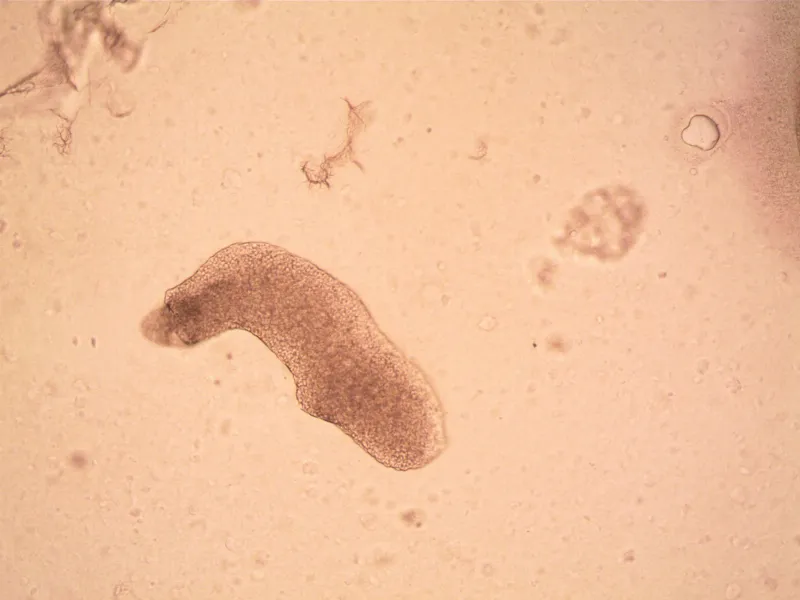
Unyielding Survivors
Tardigrades, often referred to as water bears, are microscopic organisms that can withstand extreme conditions that would decimate most life forms. These resilient creatures have been found in some of the most inhospitable environments on Earth, from the deep sea to high mountain ranges, and even in the vacuum of space. Their exceptional survival skills can be attributed to a process called cryptobiosis.
Cryptobiosis Explained
During cryptobiosis, tardigrades essentially shut down their metabolism and lose almost all their water content, entering a state of suspended animation. In this state, they can survive:
- Temperatures ranging from near absolute zero to over 300°F (149°C)
- Intense radiation levels that would kill most other organisms
- High pressures, such as those found at the bottom of the ocean, and even the vacuum of space
This remarkable ability allows tardigrades to endure and even thrive in conditions that would be lethal for most life forms. Studies have shown that they can survive these extreme environments for years, only to rehydrate and return to normal activity when conditions improve.
Implications for Science
The incredible resilience of tardigrades has implications beyond our understanding of life itself. Their unique properties are being studied for potential applications in fields such as space exploration, medicine, and biotechnology. For instance, understanding how tardigrades protect their DNA from damage could lead to advancements in protecting human cells from radiation or improving the stability of vaccines.
Tardigrades challenge our understanding of life's limits and open new avenues for research. Their ability to endure the extreme not only sparks curiosity but also inspires scientists to explore the boundaries of life in the universe.
Hungry for more?
Explore thousands of insights across all categories.