
Pink's Natural Origins: Why It's Not Just About Flowers

Understanding Pink in Nature
Pink is a color that often conjures images of blooming flowers and serene sunsets, but its origins are much more intricate than mere aesthetic appeal. In reality, the color pink arises from a fascinating mixture of light scattering, specific pigments, and the intricate biology of various species.
The Science Behind Pink
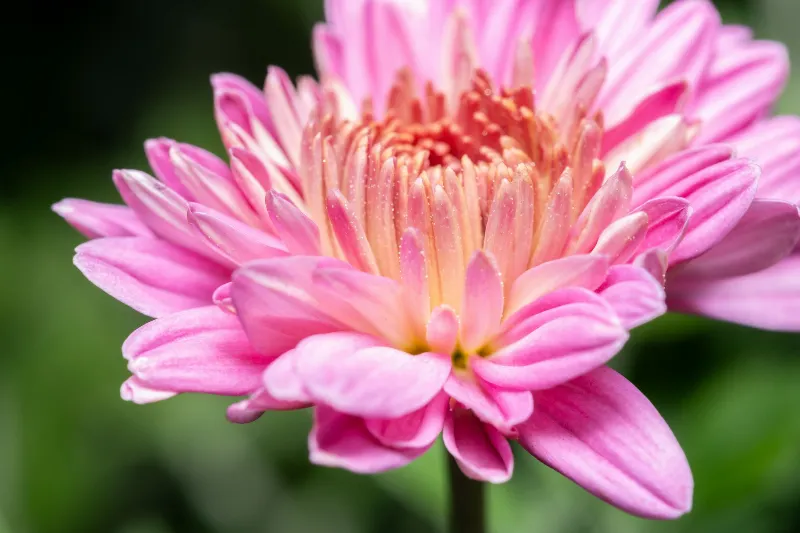
When light hits an object, it can scatter in different ways depending on the material’s properties. In many flowers, the pink hue results from anthocyanins, pigments that change color based on pH levels. This adaptation not only attracts pollinators but also plays a role in the plant's overall reproductive strategy, showcasing nature's clever use of color.
Interestingly, pink appears in a broader context in nature beyond flowers. For instance, the pink color of certain animals, like flamingos, is derived from their diet. These birds consume large amounts of carotenoid-rich foods, which then influence their feather coloration. This presents a dynamic interplay between diet, environment, and physical appearance.
Implications for Ecology
The presence of pink in various forms raises intriguing questions about its ecological implications. For example, the visibility of pink hues can affect mating rituals and predator-prey relationships. In environments where pink stands out, such as in green foliage, it could potentially signal health and vitality, thereby influencing animal behavior.
Moreover, the color pink has been interpreted differently across cultures, adding another layer of meaning to its natural occurrences. While some cultures might associate pink with softness or femininity, others may view it as a symbol of strength and resilience, showcasing how color perception can vary dramatically across human experiences.
Conclusion
Pink in nature is more than just a color; it is a complex interaction of biological and environmental factors that reveals much about the organisms involved and their ecosystems. This rich tapestry of color invites us to look deeper into the world around us, challenging our perceptions and encouraging a greater appreciation for the nuances of nature.
Hungry for more?
Explore thousands of insights across all categories.
