
Common misconceptions about the origins of purple in nature
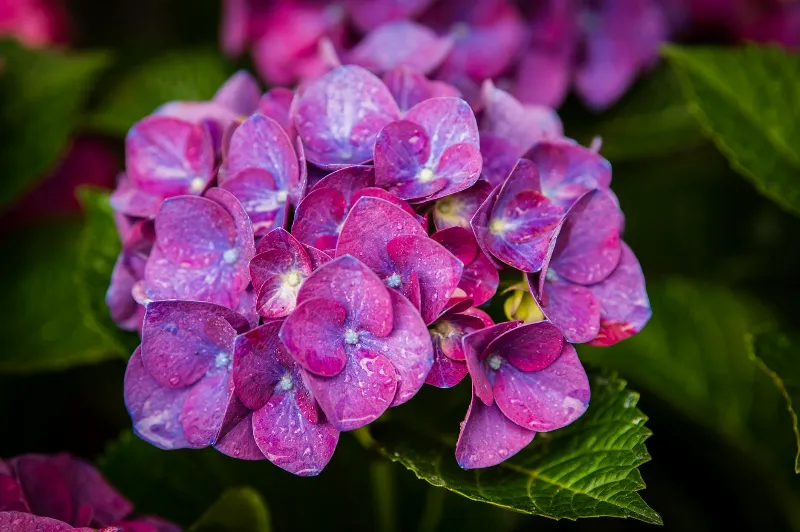

Nature’s Rare Color: The Truth Behind Purple
Purple is often seen as a rare and exotic color in nature, yet its origins are frequently misunderstood. Contrary to common belief, purple is not merely a mix of red and blue. Instead, its presence in plants and animals is due to a complex interplay of pigments that serve various functions, from attracting pollinators to warding off herbivores.
The Role of Anthocyanins
At the heart of many purple hues is a group of pigments known as anthocyanins. These water-soluble pigments appear in the vacuoles of plant cells and can produce a range of colors, including red, blue, and purple, depending on the pH of the plant tissue. This versatility allows plants to adapt their color to their environment, enhancing their survival.
Interestingly, anthocyanins are not just for show. They play a crucial role in protecting plants from UV radiation and oxidative stress. This means that the vibrant purple of a flower might not just be a visual treat, but also a vital part of the plant’s defense system.
Animal Adaptations and Purple
Purple is equally fascinating in the animal kingdom. Certain species, like the purple sea urchin, use color as a means of camouflage or to deter predators. The coloration can also signify health and vitality, making it an important factor in mating displays. Misunderstandings often arise when people assume that animal colors only serve aesthetic purposes, overlooking their evolutionary significance.
Implications for Biodiversity
The prevalence and significance of purple in nature highlight the importance of biodiversity. As habitats change due to climate impact, the survival of species that rely on specific colors for reproduction and survival could be threatened. Understanding these dynamics is essential for conservation efforts.
In essence, the story behind purple in nature reveals interconnectedness: between plants, animals, and their environments. Each hue carries a history of adaptation and survival, making the study of color in nature not just about aesthetics, but a window into the complex web of life.
Hungry for more?
Explore thousands of insights across all categories.
