
Fascinating Facts About Ancient Egypt That Are Commonly Misunderstood
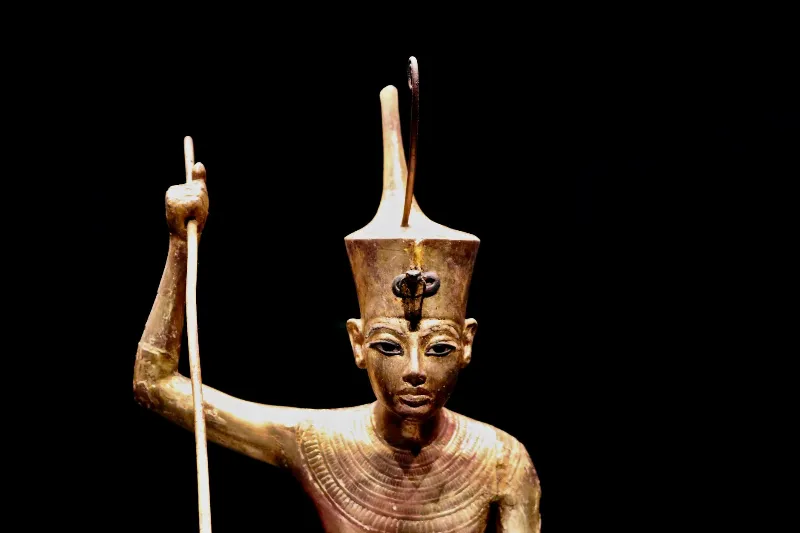

Did Pharaohs Always Wear Crowns?
Many people picture pharaohs adorned with elaborate crowns, but the reality is more complex. In fact, they often wore simpler headdresses or even no crown at all during certain ceremonies. The famous double crown represented the unification of Upper and Lower Egypt, but it wasn't the only option. Pharaohs had various headpieces for different occasions, reflecting their roles and the messages they wanted to convey.
What Happened to the Sphinx's Nose?
The Great Sphinx of Giza is one of the most recognizable monuments, yet its missing nose leads to many tales. Contrary to popular belief, it wasn't destroyed by Napoleon's soldiers during a cannon firing practice. Historical accounts suggest that the nose was already absent by the 15th century, possibly due to erosion or deliberate vandalism. This misconception highlights how easily history can be misinterpreted.
Were Mummies Just for the Rich?
A common myth is that only the wealthy were mummified in Ancient Egypt. In reality, mummification was a widespread practice. While the elite had more elaborate burial rites, common people also underwent mummification, albeit in simpler forms. The desire for an afterlife transcended social class, revealing the deep-seated beliefs of the Egyptians.
Is the Pyramids’ Purpose Misunderstood?
Many assume that all pyramids were built solely as tombs for pharaohs. However, they also served as ceremonial sites and symbols of the pharaohs' divine power. The construction of the pyramids involved a vast workforce, showcasing not just the pharaoh's might but also the society’s organizational skills. It’s fascinating to think about the multifaceted roles these structures played beyond mere burials.
Ancient Egypt continues to captivate our imagination with its mysteries and wonders. As we explore its history, we uncover the layers of truth behind what we thought we knew.
Hungry for more?
Explore thousands of insights across all categories.
