
The Great Emu War: A Battle Against Birds
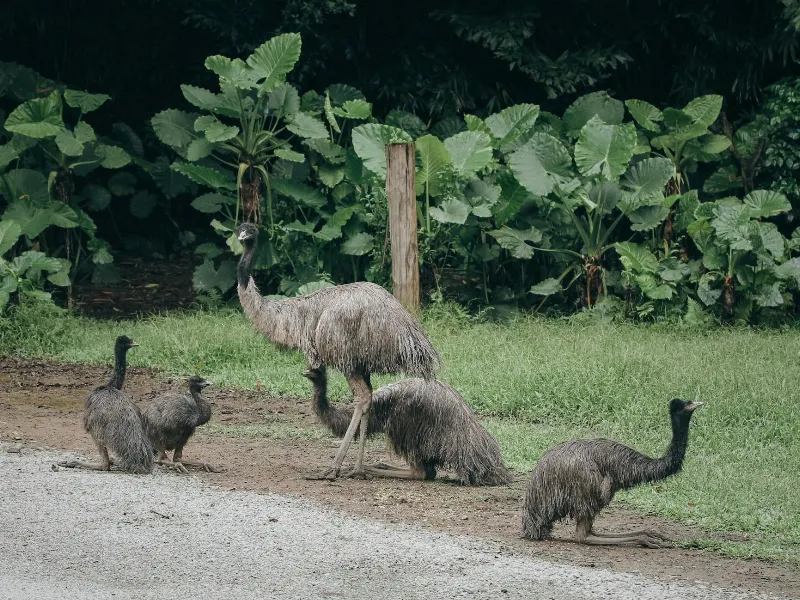

A Feathered Foe
Imagine a war where the enemy is a flock of large, flightless birds. In 1932, Australia found itself in such a predicament. Emus, with their impressive speed and agility, invaded farmland in Western Australia. These birds weren't just a nuisance; they were a significant threat to crops. Farmers were desperate, leading to an unusual response from the government.
Military Intervention
To combat the emu invasion, the Australian government deployed soldiers, armed with machine guns, to tackle the problem. This sounds like an unusual military operation, doesn’t it? The soldiers encountered unexpected challenges. Emus were faster and more cunning than anticipated, often evading gunfire. In just a few days, the military realized that these birds were not an easy target.
Strategic Retreat?
Despite multiple attempts, the soldiers struggled to make a dent in the emu population. After weeks of futile efforts, they achieved only a fraction of their intended goal, leading to the decision to withdraw. Isn’t it strange to think that a country’s military could be outsmarted by birds? This bizarre conflict became a topic of ridicule and disbelief.
A Lesson in Humility
The Great Emu War is remembered not just for its absurdity but also for what it teaches about nature and human intervention. Despite technological advances, sometimes nature has the upper hand. In the end, the emus continued to thrive, and the military returned home in defeat.
Hungry for more?
Explore thousands of insights across all categories.
