
Nocturnal Animals Enhance Senses for Survival in Darkness
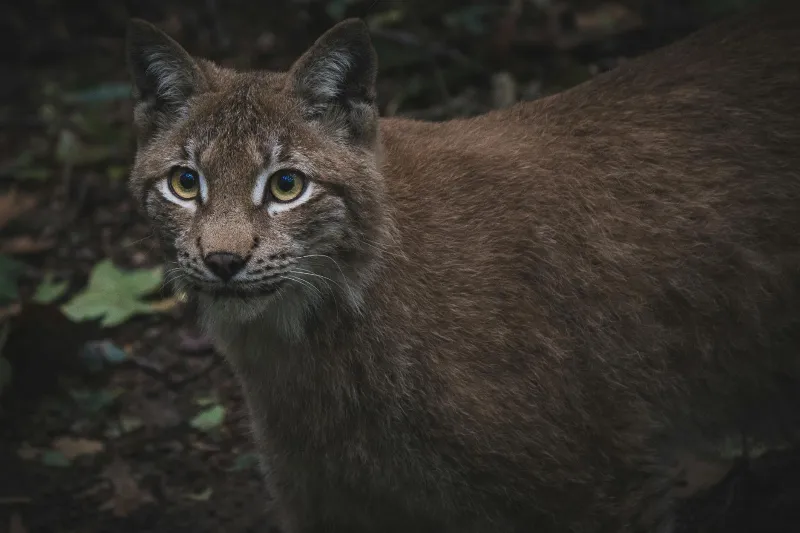

Nocturnal animals possess extraordinary adaptations that enable them to navigate and survive in the dark. Their enhanced sensory abilities give them an edge in hunting prey and evading predators. These adaptations are a fascinating glimpse into how life on Earth has evolved to meet the challenges of different environments.
Enhanced Vision and Hearing
Many nocturnal species have developed superior vision, allowing them to see in low-light conditions. For instance, animals like owls have a high number of rod cells in their retinas, which are sensitive to light. This adaptation allows them to detect even the slightest movements at night. Additionally, their facial disc shapes help to funnel sound towards their ears, enhancing their ability to locate prey through sound alone.
Heightened Smell and Touch
In addition to visual and auditory enhancements, nocturnal animals often rely on their sense of smell to gather information about their surroundings. For example, many rodents and carnivores use their acute olfactory senses to track scents left by potential prey or mates. Furthermore, some species have developed sensitive whiskers or vibrissae that can detect subtle changes in air currents, aiding in navigation and detecting obstacles in complete darkness.
This combination of heightened senses not only maximizes their hunting efficiency but also increases their chances of survival in a world where light is scarce. The interplay of these adaptations reveals the intricate balance of life in nocturnal ecosystems.
Exploring the sensory prowess of nocturnal animals highlights the incredible diversity of adaptations found in nature. These evolutionary traits showcase the resilience and ingenuity of life forms that thrive in environments that challenge most other species.
Hungry for more?
Explore thousands of insights across all categories.
