
How Do Nocturnal Animals Adapt to Darkness
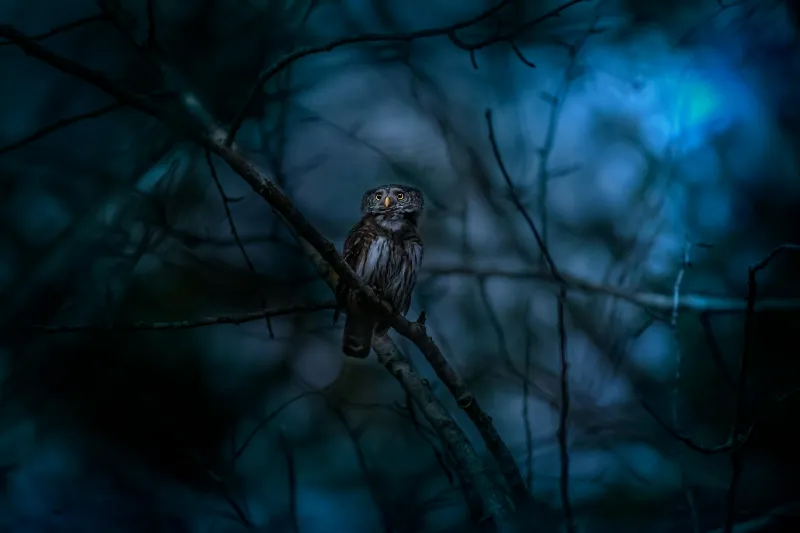

Survival in Low Light
Nocturnal animals face the challenge of navigating and hunting in darkness. Their adaptations are remarkable, allowing them to utilize the night to their advantage. For example, many species have evolved to possess exceptional night vision, enabling them to see in low-light conditions far better than humans.
Enhanced Sensory Abilities
One of the key adaptations of nocturnal creatures is their acute sense of hearing. Animals like owls have specialized ear structures that allow them to pinpoint the slightest sounds in the dark. This ability is crucial for locating prey, such as small rodents, that might otherwise be hidden from sight.
Unique Hunting Techniques
Nocturnal hunters also employ different strategies to catch their prey. For instance, the hunting method of the common bat includes echolocation, where they emit high-frequency sounds that bounce off objects, allowing them to create a mental map of their surroundings. This technique is vital for navigating through darkness and catching insects mid-flight.
Physical Adaptations
Physical traits also play a significant role in nocturnal animals' survival. Many have larger eyes relative to their body size, which helps maximize light intake. Additionally, some species, like the jerboa, have long hind legs that allow them to make quick, agile movements, crucial for evading predators and capturing prey.
Conclusion
Nocturnal animals demonstrate how life can adapt to a variety of environmental challenges. Their specialized adaptations not only enhance survival but also contribute to the balance of ecosystems, illustrating the intricate relationships within nature.
Hungry for more?
Explore thousands of insights across all categories.
