
Misunderstandings About Ancient Civilizations' Views On Natural Disasters
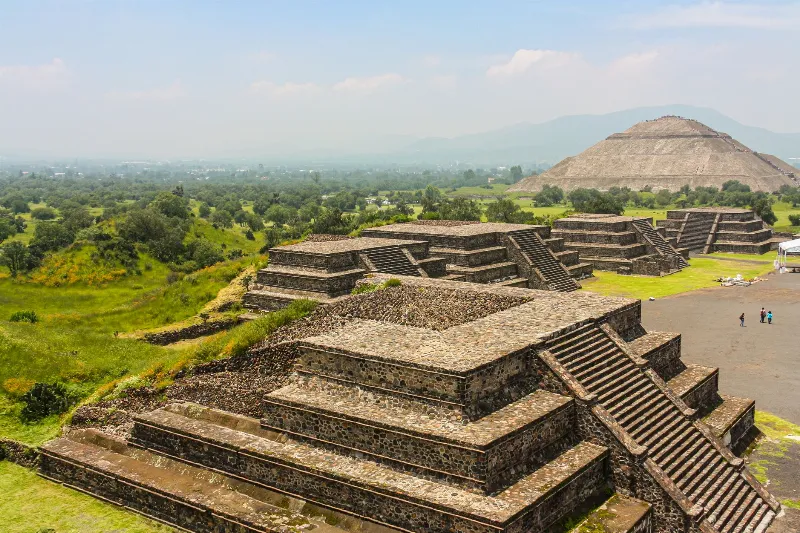

Divine Interpretations of Nature
Ancient civilizations frequently viewed natural disasters, such as earthquakes and floods, through the lens of spirituality. They believed these events were manifestations of divine wrath or favor, influencing their societal behaviors and architectural choices. For example, the Greeks attributed earthquakes to the anger of Poseidon, the god of the sea, leading to rituals aimed at appeasing him.
Geological Ignorance
Despite their sophisticated understanding of many natural phenomena, ancient societies lacked a grasp of geological processes. They often failed to connect the dots between tectonic activity and earthquakes. This disconnect led to a reliance on superstition rather than scientific reasoning, which delayed advancements in disaster preparedness.
Impact on Urban Development
The misconceptions about natural disasters significantly affected urban planning. For instance, cities like Pompeii were built near active volcanoes, with residents unaware of the true risks posed by Mount Vesuvius. This lack of understanding had catastrophic consequences, as history later revealed.
Lessons from the Past
These ancient misunderstandings reveal much about human nature and our tendency to create narratives around chaos. While their interpretations were flawed, they reflect a deep connection with their environment, showcasing how cultures sought meaning even in destructive events.
Examining these beliefs offers a window into how societies adapt, survive, and evolve in the face of natural challenges, reminding us that our understanding of nature continues to grow.
Hungry for more?
Explore thousands of insights across all categories.
