
Common misconceptions about ancient Egyptian medical knowledge revealed
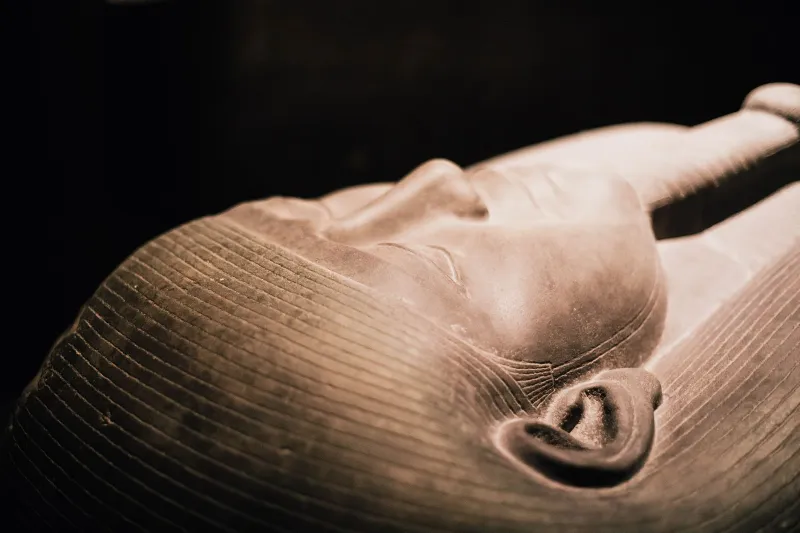

Ancient Egyptians practiced advanced medicine
Often viewed through a lens of primitive practices, ancient Egyptian medicine was far more sophisticated than many people realize. They had a profound understanding of human anatomy, as evidenced by their mummification techniques, which required intricate knowledge of bodily systems. Medical texts like the Ebers Papyrus, dating back to around 1550 BCE, detail treatments for various ailments, surgical procedures, and even prescriptions for medications made from natural substances.
Misconceptions about their surgical skills
One common misconception is that ancient Egyptians lacked surgical skills. In reality, they performed various surgical procedures, including trepanation, which involved drilling holes in the skull to treat head injuries or ailments. Archaeological evidence shows that they used tools made from bronze and stone, demonstrating a level of craftsmanship that allowed for precision in operations.
Herbal remedies and holistic approaches
Another misconception is that ancient Egyptians relied solely on magic and superstition for healing. While they did incorporate spiritual practices, they also utilized a range of herbal remedies that showcased their knowledge of botany. They used plants like willow for pain relief and garlic for its antibacterial properties, laying groundwork for herbal medicine that is still relevant today.
Impact on future medical practices
Their medical practices influenced future generations, particularly in Greek and Roman medicine. Physicians like Hippocrates and Galen studied ancient Egyptian texts, integrating their findings into Western medical traditions. This exchange of knowledge highlights the importance of ancient Egyptian contributions, often underappreciated in the broader narrative of medical history.
Ultimately, the perception of ancient Egyptian medicine is riddled with misconceptions. Their advanced practices offer insight into human ingenuity and the complexities of early medical understanding.
Hungry for more?
Explore thousands of insights across all categories.
