
Common Misconceptions About Chocolate's Origins

Chocolate's Ancient Roots
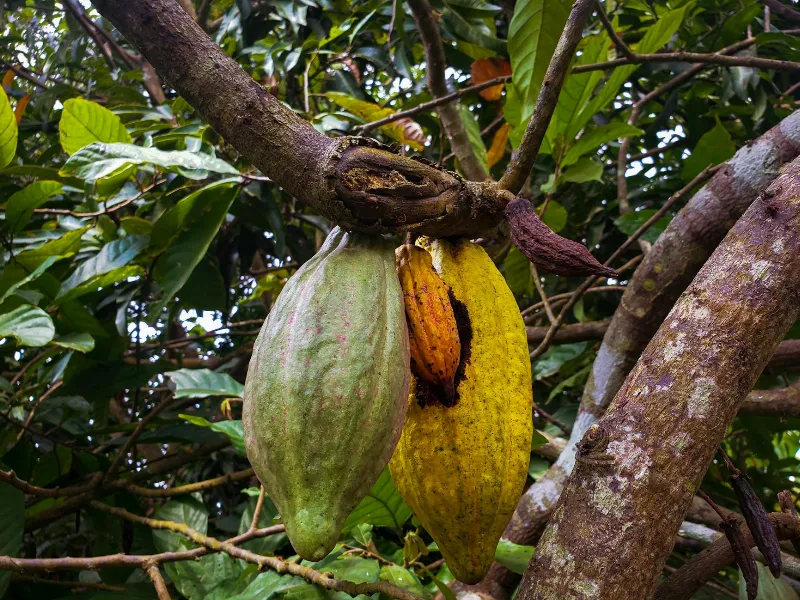
Chocolate's history stretches back over 3,000 years to the ancient Mesoamericans, particularly the Olmecs, who are believed to be the first to cultivate cacao. They consumed a bitter drink made from cacao beans, flavored with spices and sometimes honey, vastly different from the sweet chocolate we enjoy today. This drink was considered sacred and was often used in religious rituals and social ceremonies.
European Transformation
When chocolate made its way to Europe in the 16th century, it underwent a significant transformation. Initially introduced as a bitter beverage, it was sweetened with sugar and flavored with vanilla, quickly becoming a luxury enjoyed by the elite. This shift marked the beginning of chocolate's evolution into the sweet treat we know today, leading to its widespread popularity and commercialization.
Impact on Cultures
Chocolate's influence extends beyond mere flavor; it has played a vital role in trade and economics. The demand for cacao led to the establishment of plantations in tropical regions, significantly impacting local economies and societies. Furthermore, chocolate has woven itself into cultural narratives, symbolizing love and indulgence in various cultures around the globe.
Modern Misunderstandings
Despite its rich history, many misconceptions persist about chocolate's origins and journey. For instance, some believe chocolate was always a sweet treat, overlooking its bitter beginnings. Others may not realize the complex socio-economic history tied to cacao production, particularly regarding labor practices and sustainability issues that continue to affect the chocolate industry.
As chocolate continues to evolve, understanding its origins offers a deeper appreciation for this beloved delicacy. The journey from a bitter drink to a sweet delight reflects broader changes in culture, economy, and taste, making chocolate a fascinating subject of study.
Hungry for more?
Explore thousands of insights across all categories.
