
Largest Living Organism Is A Fungus Spanning Over 2,385 Acres
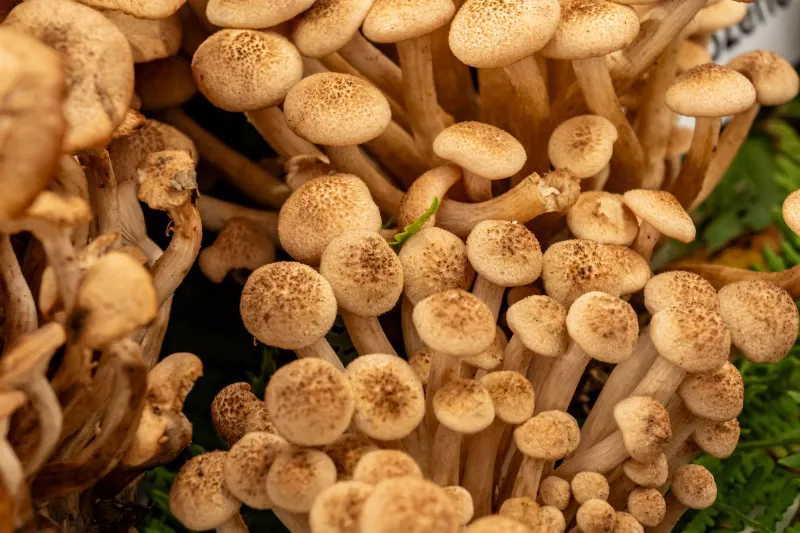

Unveiling the Giant Fungus
In the heart of Oregon's Malheur National Forest lies a gigantic organism that stretches over 2,385 acres, making it the largest living organism on Earth. This colossal fungus, scientifically known as Armillaria ostoyae, primarily resides underground in the form of mycelium, an intricate network of fungal threads. What sets this species apart is not just its size, but its ability to thrive over a vast area by connecting with and decomposing trees.
Ecological Importance
Armillaria ostoyae plays a pivotal role in its habitat by recycling nutrients and aiding in the decomposition of dead wood. This process is essential for the health of forest ecosystems, as it enriches the soil and supports new plant growth. Furthermore, the fungus forms relationships with trees, sometimes causing root rot, which can impact forest dynamics.
Longevity and Growth
Estimates suggest that this fungus could be thousands of years old, allowing it to expand significantly over time. Its growth pattern is not just remarkable but also indicative of its resilience in varying environmental conditions. As it spreads, it continues to impact the ecosystem, demonstrating the interconnectedness of life forms.
Exploring the vast mycelial networks of fungi like Armillaria ostoyae opens a window into the hidden complexity of forest life. Such organisms remind us of the unseen connections that sustain the environment and the importance of preserving these intricate ecosystems.
Hungry for more?
Explore thousands of insights across all categories.
