
Coral Reefs: Home to Earth’s Largest Living Structure
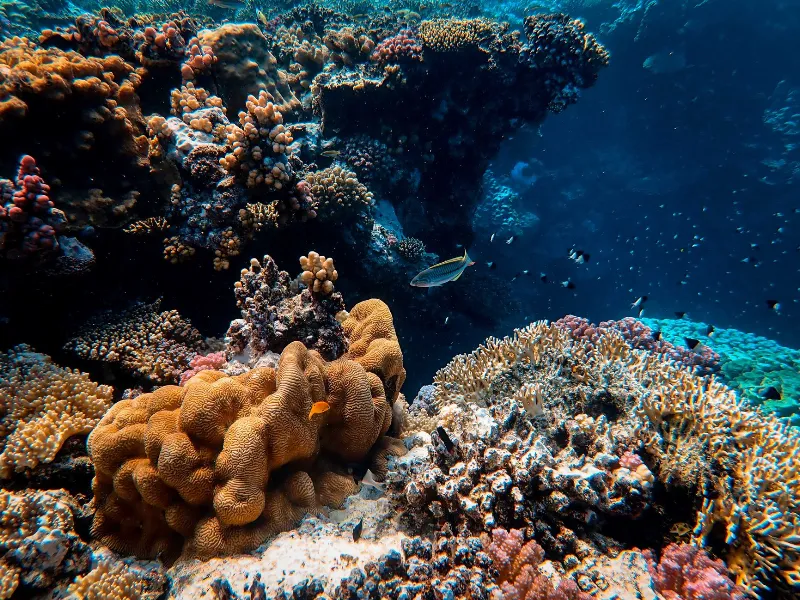

Coral reefs are often called the rainforests of the sea, and for good reason. Among their many wonders, they hold the title for the largest living structure on Earth. Stretching over 2,300 kilometers along the northeastern coast of Australia, the Great Barrier Reef is a marvel of biodiversity, supporting thousands of species, from vibrant fish to majestic sea turtles.
Ecological Importance
Beyond their size, coral reefs play a crucial role in marine ecosystems. They provide essential services, including habitat for marine life, coastal protection from storms, and resources for local communities. The complex structures formed by coral polyps create an environment rich in nutrients, fostering a diverse array of marine organisms.
Threats and Conservation
Despite their significance, coral reefs face numerous threats, including climate change, pollution, and overfishing. Rising ocean temperatures lead to coral bleaching, a phenomenon that jeopardizes their survival. Conservation efforts are critical to protecting these underwater ecosystems, with initiatives focused on sustainable fishing practices and pollution reduction.
As we continue to uncover the mysteries of the ocean, the importance of coral reefs becomes increasingly clear. Their breathtaking beauty and vital ecological functions remind us of the intricate connections that sustain life on Earth.
Hungry for more?
Explore thousands of insights across all categories.
