
Coral Reefs: The Largest Living Structure On Earth
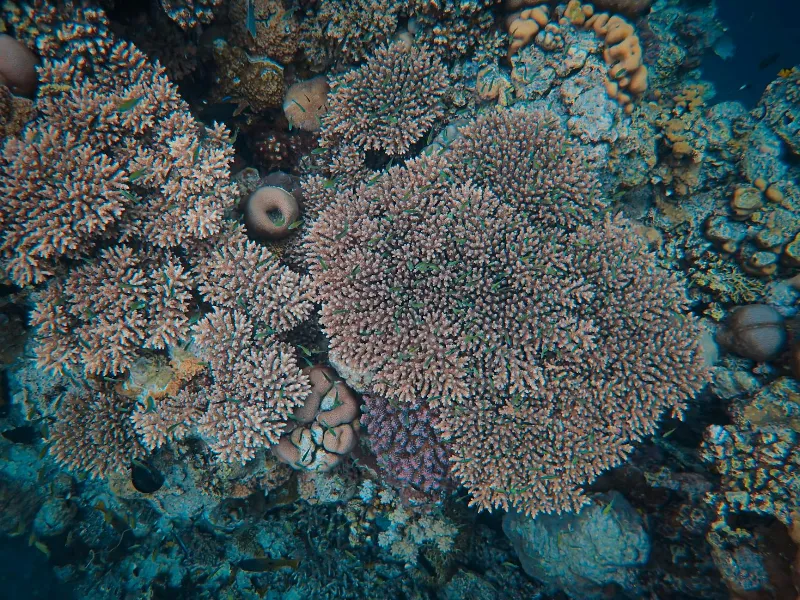

Coral Reefs: A Natural Wonder
Coral reefs, often dubbed the "rainforests of the sea," are astonishingly the largest living structures on Earth, extending over 300,000 square kilometers. This immense expanse is primarily formed by tiny coral polyps, which secrete calcium carbonate, building the reef over thousands of years. They are not only a spectacle of nature but also serve as crucial habitats for countless marine species.
Significance of Coral Reefs
These ecosystems are indispensable for both marine life and human communities. Coral reefs provide food, shelter, and breeding grounds for approximately 25% of all marine species, despite covering less than 1% of the ocean floor. Additionally, they protect coastlines from erosion and provide economic benefits through tourism and fisheries.
However, the health of coral reefs is increasingly threatened by climate change, pollution, and overfishing. As ocean temperatures rise, coral bleaching events, where corals lose their vibrant colors and vital algae, are becoming more frequent, leading to widespread reef degradation.
Efforts are underway globally to protect and restore these vital ecosystems. Initiatives range from establishing marine protected areas to promoting sustainable fishing practices. Understanding the intricate relationships within coral reefs is crucial for conservation efforts and the overall health of our oceans.
Coral reefs are a profound reminder of the delicate balance within our ecosystems. As we continue to learn about their complexities, we must also take responsibility for their preservation, ensuring that they can thrive for generations to come.
Hungry for more?
Explore thousands of insights across all categories.
