
Largest Living Organism Is A Fungus Covering Over 2,385 Acres
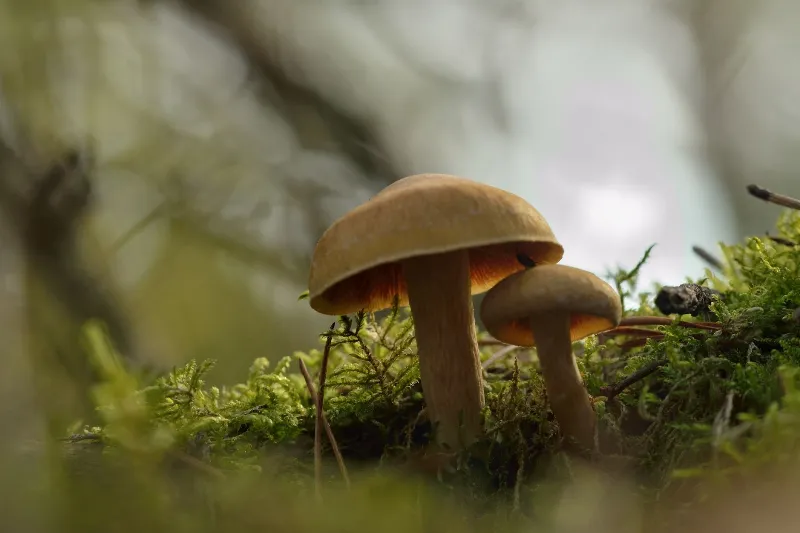

Unveiling the Mycelium Network
In the Malheur National Forest of Oregon, a vast organism known as Armillaria ostoyae stretches across an astonishing 2,385 acres. This honey fungus, primarily existing underground as mycelium, showcases an intricate and sprawling network that connects trees and plants. This organism challenges the conventional view of living entities by emphasizing the importance of underground life in ecosystems.
Significance of Fungal Life
Fungi play a crucial role in our ecosystems, often overlooked in their contributions to biodiversity. Here are three key aspects of their significance:
- Decomposition: Fungi break down organic matter, recycling nutrients and enriching the soil.
- Symbiosis: Many plants rely on fungi for nutrient exchange through symbiotic relationships.
- Habitat: Fungi provide essential habitats for various organisms, contributing to ecological balance.
Armillaria ostoyae's extensive mycelium not only supports the trees it connects but also enhances the health of the entire forest ecosystem. This organism's resilience and adaptability highlight the complex interdependencies present in nature.
As we uncover more about the vast networks of fungi and their roles, it becomes increasingly clear that life on Earth is more interconnected than we often realize. The existence of such a colossal organism prompts a deeper appreciation for the hidden wonders of our natural world.
Hungry for more?
Explore thousands of insights across all categories.
