
Animals That Regenerate Lost Body Parts Reveal Nature's True Resilience

Regeneration in Nature
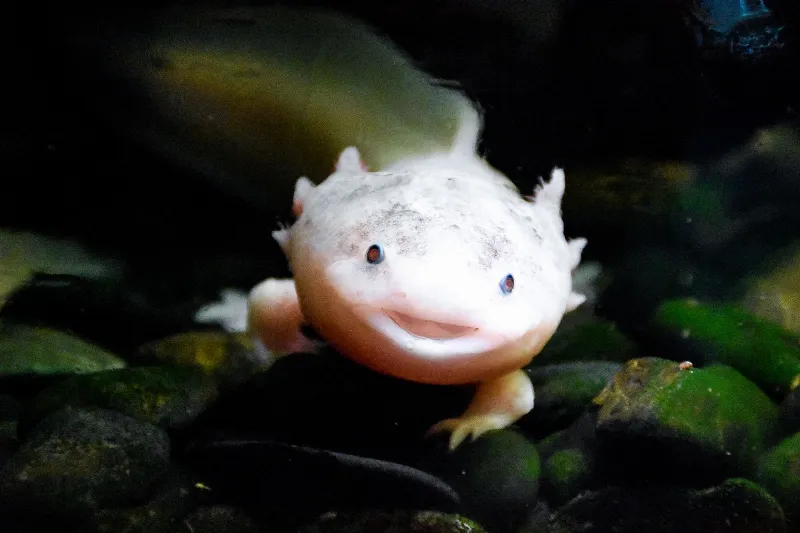
Some animals have evolved extraordinary abilities to regenerate lost body parts, a phenomenon that continues to intrigue scientists. This remarkable capability not only highlights the resilience of life but also poses significant questions about biological processes and potential applications in medicine. For instance, the axolotl, a type of salamander, can regrow limbs, spinal cords, and even parts of its heart and brain. Researchers are studying these abilities to unlock secrets that could lead to advances in regenerative medicine for humans.
Examples of Regenerative Animals
Certain species are particularly noted for their regenerative prowess. Here are a few standout examples:
- Axolotl: This aquatic salamander can regenerate limbs, tail, and even significant organs, making it a focus of scientific research.
- Starfish: Capable of regenerating lost arms, starfish can even grow an entirely new body from a single arm, provided it includes part of the central disc.
- Planarian Flatworms: Often studied for their regenerative abilities, these flatworms can regenerate complete bodies from small fragments, showcasing a unique cellular process.
These examples demonstrate that regeneration is not just a survival tactic but a complex biological process that reflects evolution's ingenuity. As researchers delve deeper into the mechanisms behind these abilities, they hope to uncover potential applications for healing in humans, paving the way for innovative treatments for injuries and diseases.
Understanding how these animals regenerate lost parts provides insight into the potential for healing and recovery in other species, including humans. The exploration of regenerative biology not only fascinates but also inspires ongoing research that could one day transform medical practices.
Hungry for more?
Explore thousands of insights across all categories.
