
Animals That Regenerate Body Parts Have More Tricks Than You Think
Remarkable Regeneration
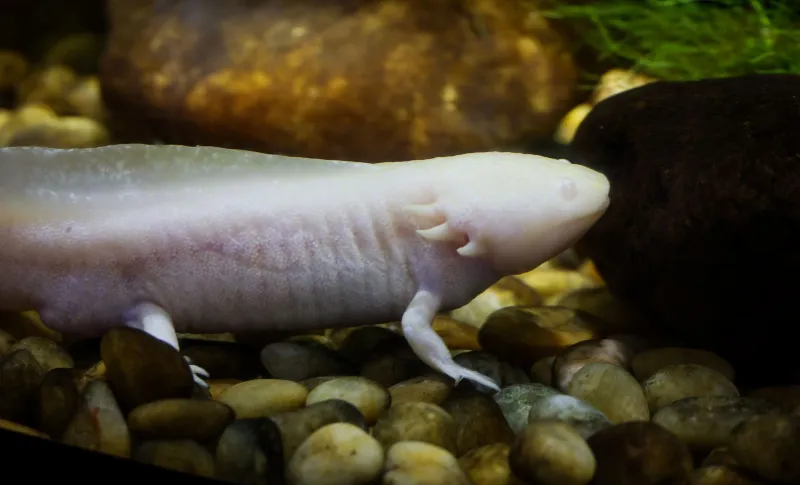
Axolotls, a type of salamander, can regenerate not just limbs but also their heart and brain. This unique capability is attributed to a rich supply of stem cells that can transform into various cell types, allowing lost body parts to grow back seamlessly. Researchers are studying these mechanisms to unlock potential applications in human medicine.
Other Regenerative Wonders
Starfish are another marvel of regeneration, able to regrow entire arms. If a starfish loses an arm, it can regenerate a new one, and sometimes the lost arm can even grow into a new starfish. This process involves complex cellular signaling pathways that researchers aim to understand fully.
Another fascinating example is the planarian flatworm, which can regenerate its entire body from just a small fragment. This remarkable ability is driven by a large population of pluripotent stem cells that can differentiate into any cell type required for regeneration.
Implications for Science
The study of these regenerative animals offers insights into healing processes and potential therapies for humans. Understanding the genetic and molecular basis of regeneration could lead to breakthroughs in treating injuries and degenerative diseases.
As science continues to explore the depths of regeneration, each discovery brings us closer to harnessing these natural abilities for medical advancements. The potential applications span from wound healing to organ regeneration, igniting a sense of wonder about the possibilities that lie ahead.
Hungry for more?
Explore thousands of insights across all categories.